
Blog
Memory Care Charlotte: A Family Evaluation Guide
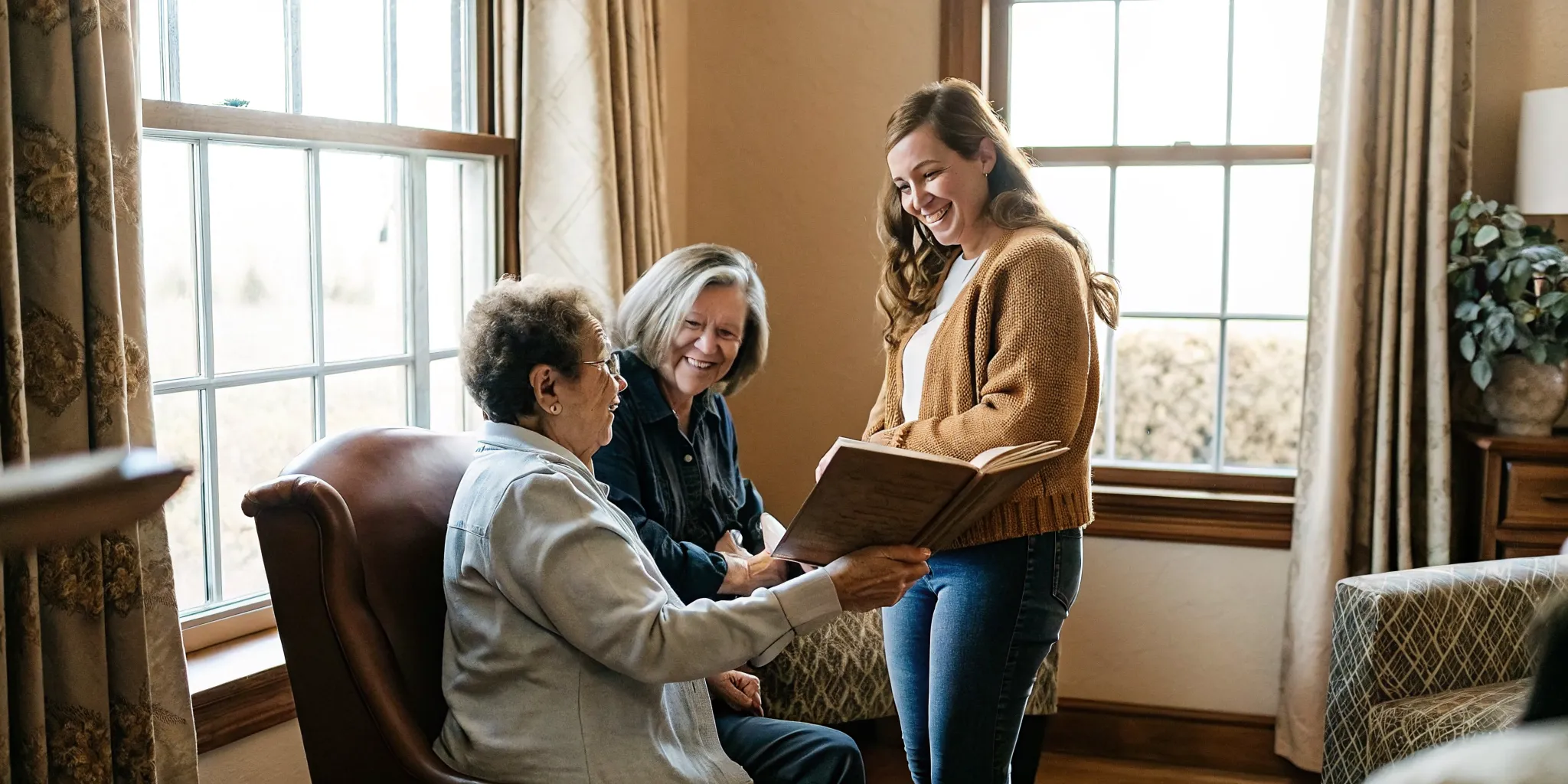
Choosing memory care for someone you love is one of the most personal decisions a family can make. In Charlotte, the number of communities has grown steadily, and the differences between them can feel overwhelming when you are also managing daily caregiving, medical appointments, and difficult emotions. The good news is that a clear, calm process can make comparing options far easier.
This guide walks through what to evaluate when you tour, how to read past marketing language, and how to think about cost and fit in a way that centers the person living with dementia. It draws on more than twenty years of clinical experience supporting families through the same questions you may be asking right now.
You do not need to have every answer before you start. You only need a framework, a short list of priorities, and a few people in your corner who understand the local landscape.
Ready to talk through your options with someone who knows Charlotte memory care?
Schedule a free discovery call with Safe Haven AdvisorsMemory care Charlotte families can evaluate with confidence
Memory care is a specialized type of assisted living designed for older adults living with Alzheimer's, vascular dementia, Lewy body dementia, or other cognitive changes. Charlotte families can choose from stand alone memory care communities, dedicated neighborhoods inside larger assisted living communities, and small residential care homes. Each model has strengths, and the right fit depends on the person, not the brochure.
Build a clear picture of the person first
Before you compare communities, take a quiet hour to write down who your loved one is today. Note the stage of memory loss, physical mobility, sleep patterns, favorite routines, foods, music, and any behaviors that have become challenging. If you are unsure where they are cognitively, our overview of memory issues and early signs can help you organize your thoughts before you tour.
Separate must haves from nice to haves
A short priority list keeps tours focused. Most Charlotte families end up ranking these:
- Staff to resident ratio during days, evenings, and overnight
- Dementia specific training for every team member who has contact with residents
- Secured outdoor space and clear wandering prevention
- Consistent caregivers assigned to the same residents
- Meaningful daily activities, not just television and bingo
- Transparent pricing with a written schedule of add on services
- Location that supports frequent family visits
How should you evaluate the people providing care?
Buildings can look beautiful in photos. The people inside them are what actually shape a resident's daily life. When you visit, spend as much time watching the staff as you do looking at the apartments.
Training and experience
Ask what specific dementia training every caregiver completes, how often it is refreshed, and who leads it. Strong programs go beyond a one time orientation and include ongoing coaching in communication, redirection, and understanding behavior as a form of expression.
Interactions you can see
Watch how team members greet residents in hallways and common areas. Do they crouch to eye level, use the resident's name, and pause to listen? Do residents seem comfortable approaching staff? Small, unhurried moments tell you more than any scripted answer.
Communication with families
Ask how the community shares updates with families, how quickly they return calls, and who you should contact after hours. A clear communication rhythm becomes essential when a loved one cannot describe their own day.
What should you look for during a memory care tour?
Every tour should give you concrete answers, not just a warm feeling. Use the framework below as a simple checklist you can carry between communities, or print our memory care facility checklist to bring with you.
| Evaluation area | What to observe | What to ask |
|---|---|---|
| Daily routine | Are residents engaged, resting, or wandering aimlessly at midmorning? | What does a typical day look like from wake up to bedtime? |
| Activities | Are programs matched to different cognitive levels, not one size fits all? | How do you adapt activities as a resident's needs change? |
| Dining | Is the room calm, are portions appropriate, and is help offered without rushing? | How do you support residents who need cueing or adapted utensils? |
| Safety | Are exits secured, hallways clear, and bathrooms visible from the bed? | How do you prevent falls and manage exit seeking behavior? |
| Personal care | Do residents look clean, dressed with dignity, and comfortable? | How often are care plans reviewed, and who is involved? |
| Family contact | Are families visible, welcomed, and included in life at the community? | How and how often will we hear from the care team? |

Use your senses
Notice the sounds and smells. A memory care neighborhood should feel calm, not chaotic, and it should not smell of cleaning products masking something else. Natural light, soft background music, and comfortable seating are gentle signals that the environment was designed with residents in mind.
Ask for real examples
Instead of asking whether they handle sundowning or resistance to care, ask them to describe the last time it happened and what the team did. Concrete stories reveal culture. Our list of questions to ask when touring can help you go deeper.
Visit beyond the scheduled tour
Reputable communities are comfortable with a second visit at a different time. An unhurried drop in during the late afternoon or after dinner often shows you a truer picture of daily life. For more on reading past polished presentations, see beyond the brochure.
Verify licensing, safety practices, and accountability
Feelings matter, and so do records. Before you sign anything, look at the community's regulatory history and how they handle emergencies.
State licensing information
In North Carolina, adult care homes and memory care communities are regulated by the NC Division of Health Service Regulation (DHSR). Inspection reports and complaint history are public, and it is reasonable to ask a community how they responded to any findings.
Emergency planning
Ask what happens during a power outage, severe storm, or medical emergency. Communities should have written plans, backup generators or clear evacuation partnerships, and a way to reach families quickly.
Security and wandering prevention
Memory care neighborhoods should be secured without feeling like a locked ward. Look for doors that require staff codes, discreet wander alert systems, and enclosed outdoor courtyards where residents can walk safely.
How can families compare memory care costs clearly?
Cost is one of the hardest parts of this decision because pricing structures vary widely. In the Charlotte area, all in memory care costs typically range from about $3,906 to $17,899 per month depending on the community, apartment type, and level of care required. That is a wide range, and comparing quotes only works when you compare the same underlying services.

Understand what is included in the total cost
Ask each community for a written summary of what the base rate covers and what is billed separately. Common add ons include incontinence support, medication management, escorts to meals, and higher care levels. For a deeper breakdown, see our guide to assisted living and memory care pricing.
Read the residency agreement carefully
Before signing, look for how care levels are assessed, how often rates can change, what triggers a move to a higher care tier, and the terms for ending the agreement. If anything is unclear, ask for it in writing.
Plan for changes over time
Dementia is progressive, so today's monthly cost is unlikely to be next year's. Ask what a resident in an advanced stage would typically pay in this community, and factor that into your longer term planning.
How to make the final choice as a family
When two or three communities look strong on paper, the last step is choosing the one that fits the person. This is where slowing down and comparing notes together makes the biggest difference.
Center the person, not the building
Ask yourselves where your loved one would feel most at ease. Consider familiarity, pace, spiritual life, and connection to the outdoors. A quieter community may serve a soft spoken person better than a busy, high energy setting, even if the amenities look less impressive.
Use a simple family scorecard
Give each community a score in the areas you ranked highest, then compare with siblings or a spouse. Differences in scores usually spark the most useful conversations because they surface what each family member values most.
Lean on local guidance
A local advisor who tours communities regularly can tell you which teams are consistent, which have had recent leadership changes, and which fit specific personalities. Learn more about how we support families in Charlotte and the surrounding area.
Frequently asked questions
What is the difference between assisted living and memory care?
Assisted living supports older adults with daily tasks like bathing, dressing, and medication management in a residential setting. Memory care is a specialized program, usually in a secured neighborhood, designed for people living with Alzheimer's or another dementia. Staff receive dementia specific training, the environment is built to reduce confusion and wandering, and activities are structured around cognitive engagement and calm routines.
How many memory care communities should we tour?
Most families find three to five communities is the right range. Fewer than three makes it hard to compare, and more than five often blurs the details. Bring the same short list of questions to each visit so the differences stand out.
Can we revisit a community before signing an agreement?
Yes, and you should. Ask to return at a different time of day, ideally including a meal and an evening. Reputable communities welcome a second or third visit because it helps families feel confident in their decision.
Does Medicare rate memory care communities?
Medicare does not provide star ratings for assisted living or memory care communities the way it does for nursing homes. In North Carolina, licensing and inspection information for adult care homes is available through the NC Division of Health Service Regulation (DHSR).
When should a family start looking at memory care?
Start exploring options before the situation becomes urgent. Warning signs include unsafe wandering, missed medications, weight loss, caregiver burnout, or repeated calls for help at home. Learning your options early gives you time to make a thoughtful choice rather than a crisis decision.
Schedule a free discovery call
You do not have to sort through Charlotte memory care options alone. A short conversation can help you clarify priorities, narrow the list, and know what to ask on every tour.
Talk with Safe Haven Senior Advisors about your family's next step.
Schedule a free discovery callComments
Loading comments…