
Blog
What to Look for in a Memory Care Facility: A Checklist
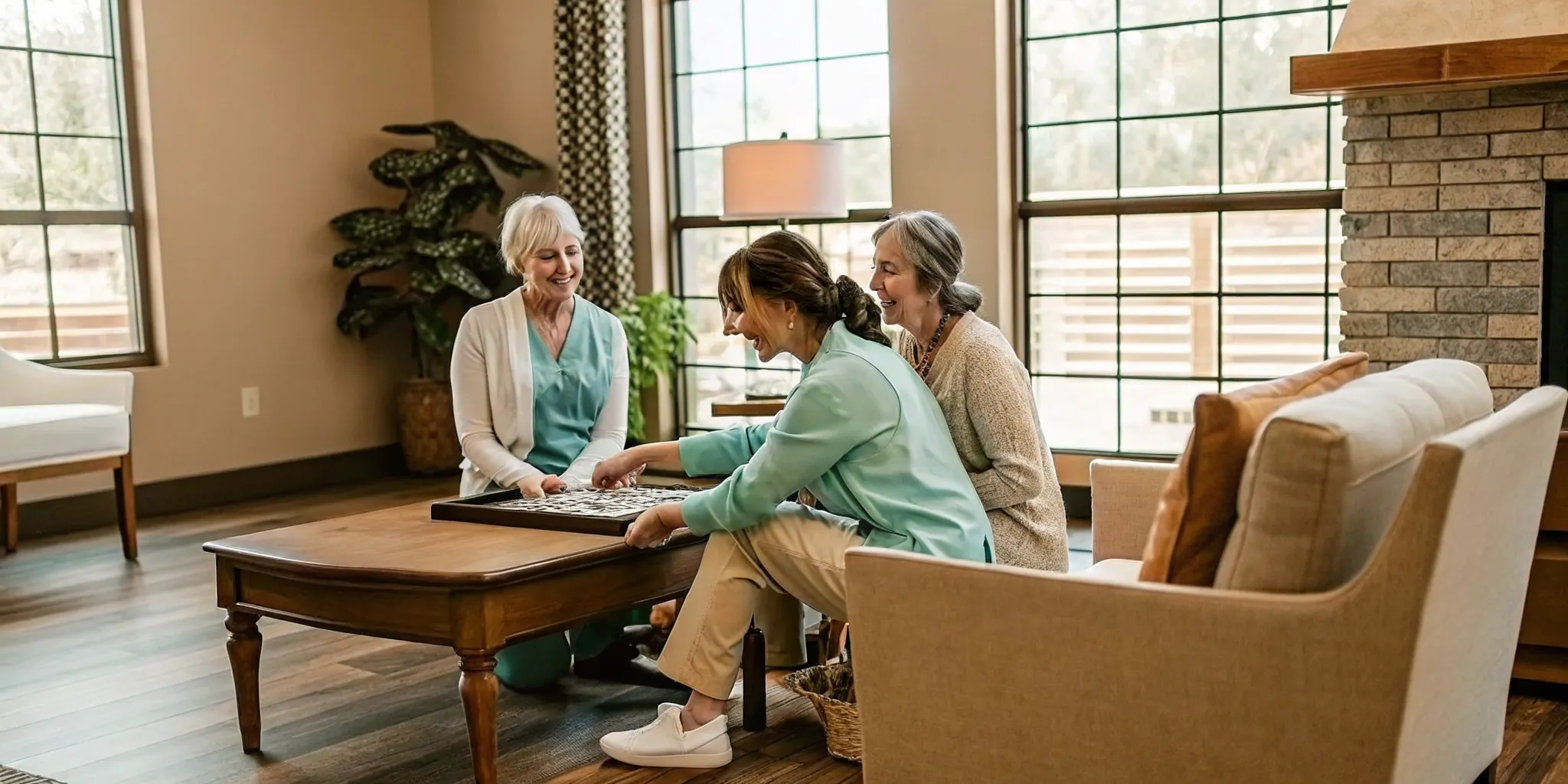
You already know the baseline requirements. Your loved one needs a secure environment, 24/7 supervision, and help with daily activities. But a great memory care community offers so much more than just safety; it provides a life filled with purpose, connection, and joy. The real challenge is finding a place that nurtures your parent's spirit, not just their physical needs. This requires looking beyond the obvious. This guide focuses on the heart of a community, helping you understand the nuances of what to look for in a memory care facility. We'll explore how to evaluate staff compassion, the value of therapeutic activities, and the atmosphere that separates an adequate facility from an exceptional home.
Key Takeaways
- Prioritize specialized dementia care, not just safety: A great community offers more than a secure building; it provides staff with specific dementia training, therapeutic activities, and a layout designed to reduce resident anxiety.
- Trust your gut and observe everything: When you tour, pay close attention to the details brochures do not show, like staff-resident interactions, overall cleanliness, and the general atmosphere. Visiting more than once gives you a more authentic picture.
- Understand the costs and your payment options: The monthly fee covers a high level of care, so get a clear breakdown of what is included. You can fund care through a mix of personal assets, long-term care insurance, or benefits like Medicaid and VA aid.
What Is Memory Care?
When you start exploring senior living options, you'll quickly see that not all communities are the same. Memory care is a specialized type of long-term care designed specifically for individuals living with Alzheimer's disease or other forms of dementia. Think of it as a community built from the ground up to support someone with memory loss. These facilities provide a safe, structured, and calm environment with predictable routines, which can be incredibly comforting for residents with cognitive challenges.
The core mission of memory care is to provide a higher level of support than what's typically found in other senior living settings. Staff members are specially trained to understand the unique needs of people with dementia, from managing behavioral changes to providing compassionate personal care.
Memory Care vs. Assisted Living
It's easy to confuse memory care with assisted living, but they serve different primary needs. Assisted living communities are wonderful for seniors who need help with daily activities like bathing, dressing, and meal preparation but are otherwise cognitively healthy. The focus is on maintaining independence while providing a supportive safety net.
Memory care, on the other hand, is a step beyond. These communities are built to provide a secure environment for residents who may be prone to wandering or confusion. The staff receives specialized training in dementia care, and the daily activities are designed to be engaging and therapeutic for those with cognitive decline.
Memory Care vs. Nursing Homes
Nursing homes, or skilled nursing facilities, are another distinct option. They typically provide a high level of medical care for individuals with complex health conditions or those recovering from a hospital stay. While some nursing home residents may have dementia, the environment is much more clinical and hospital-like, focusing on intensive medical support rather than the holistic person-centered approach of memory care.
Core Services Every Memory Care Community Should Provide
When you begin your search, it's helpful to have a baseline for what a quality memory care community should offer. These core services are the foundation of excellent care, ensuring your loved one is not only safe but also supported in a way that respects their dignity.
24/7 Supervision and Personal Care
The most fundamental service a memory care facility provides is round-the-clock supervision. Staff should be specially trained to compassionately manage the mood and behavioral changes that can accompany dementia, while also assisting with bathing, dressing, grooming, and other daily tasks with patience and respect.
Professional Medication Management
Managing multiple prescriptions can be a complex and stressful task for families. The nursing staff is responsible for administering the correct medications at the right times, monitoring for potential side effects, and coordinating with your loved one's doctors to keep everything current.
Individualized Care Plans
Dementia affects every person differently. Look for communities that create personalized care plans for each resident, taking into account their personal history, preferences, abilities, and specific health needs. A good care plan is a living document that evolves as your loved one's needs change over time.
Clear Communication and Family Involvement
You are your loved one's greatest advocate, and a good memory care facility will treat you as a partner. The community should have a clear system for communicating with families, including regular care plan meetings, updates on your loved one's condition, and open lines of communication with nursing and leadership.
Key Safety Features to Look For
When you're considering a memory care community for your parent, nothing is more important than their safety. A well-designed facility creates a space that actively protects residents while supporting their independence and dignity.
A Secure Environment to Prevent Wandering
Wandering is a common behavior for individuals with dementia. A top-tier memory care community is designed to prevent residents from leaving the premises unsupervised without making them feel confined. Look for secured entrances and exits, discreet keypad access, and thoughtful floor plans that gently guide residents back to common areas.
Thoughtful Design to Reduce Falls
Changes in perception, balance, and mobility make falls a significant risk for those with memory loss. The best communities incorporate fall prevention directly into their design with non-slip flooring, handrails in hallways and bathrooms, walk-in showers, and consistent, bright lighting throughout the day and evening.
Safe and Accessible Outdoor Areas
Spending time outdoors offers immense benefits for mood, sleep, and overall well-being. A safe community will provide outdoor spaces that are both secure and enjoyable, with fully enclosed courtyards, level walking paths that loop back to a familiar entry point, and shaded seating areas.
Emergency Response Systems
Knowing that help is available the moment it's needed provides incredible peace of mind. Ask about emergency call buttons in rooms and bathrooms, personal alert pendants, and how the staff is trained to handle medical emergencies, fires, and severe weather.
How to Evaluate the Care Staff
The heart of any memory care community is its staff. Evaluating the team is one of the most critical steps in your search, and it goes well beyond checking credentials.
Specialized Dementia Training
Look for communities where the team receives ongoing specialized dementia training. This equips them to respond to challenging behaviors with patience and compassion, redirect gently, and understand how memory loss shapes each person's daily experience.
Staff-to-Resident Ratio
A good benchmark is about one caregiver for every five or six residents during the day. Ask specifically about ratios during evenings, overnights, and weekends, when staffing often thins out. Consistent coverage across every shift matters far more than a single strong number.
Staff Longevity and Turnover
High staff turnover can be a red flag, as it disrupts continuity of care and forces residents to constantly adjust to new faces. A low turnover rate often points to a positive work environment and a leadership team that invests in its people.
How Staff Interact with Residents
Observe how staff speak to residents. Look for warm, respectful, and patient interactions: making eye contact, addressing residents by name, kneeling to be at eye level, and taking time to listen. These unscripted moments reveal the true culture of care.
What Programs and Activities Support Residents?
A vibrant activities program provides purpose, joy, and connection. The right activities can reduce agitation, support cognition, and improve overall quality of life.
Therapeutic Activities like Music and Reminiscence Therapy
Music therapy can stir powerful emotions and memories long after other forms of communication become difficult. Reminiscence therapy uses photos, familiar objects, and conversation to help residents recall happy past events, reinforcing their sense of identity and self-worth.
Physical and Creative Engagement
Gentle exercise, seated yoga, and guided walks help residents maintain mobility and balance. Creative outlets like painting, gardening, and simple crafts provide a sense of accomplishment and give family members meaningful ways to connect during visits.
Social Opportunities and Cognitive Stimulation
Look for opportunities for residents to interact during group meals, book clubs, movie afternoons, and social hours. Cognitive stimulation through puzzles, trivia, and word games keeps minds active and gives residents a shared, enjoyable focus.
What to Observe During Your Tour
While the staff will give you a guided tour, your own observations are just as important. Notice the small things: the art on the walls, the music playing softly in the background, and the way staff members interact with residents when they think no one is watching.
The Look and Feel: Cleanliness and Comfort
Take note of overall cleanliness and maintenance. Are common areas tidy? Do hallways smell fresh? Is the furniture comfortable and in good repair? A community that prioritizes a clean, comfortable home-like environment shows respect for the people who live there.
The Overall Atmosphere and Interactions
How do staff speak to residents? Look for warmth, patience, and genuine connection. Do residents appear engaged and content, or are they left alone in front of a television for long stretches? The atmosphere often tells you more than any brochure ever could.
Why You Should Visit More Than Once
Visit at different times of the day. Stopping by during a meal reveals food quality and social dynamics. An evening or weekend visit gives you insight into off-peak staffing. A second, unscheduled visit is one of the most powerful tools you have.
Key Questions to Ask on Your Tour
Going prepared with specific questions helps you gather the information you need to make a confident decision. For a deeper list, see our guide on how to schedule a tour of a memory care facility.
Questions About Daily Routines
Ask to see a weekly activity calendar. Look for engaging programs that cater to different ability levels and interests. Ask how care plans are created, how often they are updated, and how families are included in that process.
Questions About Safety and Emergencies
Is there a registered nurse on-site 24/7, or on-call after hours? What is the plan for medical emergencies, severe weather, or a resident who wanders? Look for secured exits, sturdy handrails, walk-in showers, and clear emergency protocols.
Questions About Communication
Ask about dementia-care training, staff-to-resident ratios, and how families receive updates. Pay attention to how staff interact with residents during your tour: those moments often answer more questions than any policy document.
Breaking Down the Cost of Memory Care
Nationally, the average yearly cost for a private room in a memory care facility is over $100,000. Most communities bundle services like housing, meals, care, and activities into a single monthly fee, though extra fees can apply as care needs grow. For a deeper look at pricing, see our guide on assisted living vs memory care pricing.
Exploring Financial Aid: Medicaid and VA Benefits
For qualifying low-income seniors, Medicaid may cover certain long-term care costs, though coverage rules vary by state and by community. The VA Aid and Attendance benefit provides monthly payments to eligible veterans and surviving spouses who need help with daily activities.
Using Long-Term Care Insurance and Other Assets
Families often use a combination of long-term care insurance, pensions, retirement savings, and proceeds from selling the family home. Reviewing all available resources early gives you a clearer sense of what is truly affordable and sustainable over time.
Let Us Help You Find the Right Community
As your local senior living advisors, we have intimate knowledge of memory care communities throughout the Charlotte area. Safe Haven Senior Advisors helps you narrow options, prepare for tours, and join you on visits so you never feel alone in the process. Best of all, our guidance is completely free for qualified families.
Frequently Asked Questions
What does the monthly cost of memory care actually cover?
The monthly fee typically covers a private or semi-private room, three daily meals plus snacks, all utilities, housekeeping, laundry, 24/7 supervision, medication management, and a full calendar of therapeutic activities. Communities usually bundle these services into one predictable rate, though extra fees can apply for higher levels of personal care.
How do I know if it is the right time for my parent to move into memory care?
Common signs include safety concerns at home such as wandering or unsafe cooking, caregiver burnout, increased confusion, social isolation, and difficulty managing medications or daily hygiene. When home no longer feels safe or your family cannot sustain the level of support needed, memory care is worth considering.
My parent is in assisted living. Why would they need to move to memory care?
Assisted living supports seniors who need help with daily tasks but are cognitively stable. Memory care offers a higher level of specialized service for dementia, with staff trained in dementia care, a secure environment designed to prevent wandering, and programming built around cognitive challenges. A move often makes sense when confusion, agitation, or safety needs outgrow the assisted living setting.
What if my parent is resistant to the idea of moving?
Resistance is common and understandable. Approach the conversation with empathy, focus on specific benefits to their safety and daily well-being, and avoid arguing about the diagnosis. A neutral third party, such as their doctor or a senior living advisor, can help ease the discussion and reduce family tension.
What is the real benefit of using Safe Haven Senior Advisors?
Our local expertise and personal touch save families time and stress. We know the Charlotte-area communities well, tour with you, help compare pricing and care levels, and provide objective guidance at no cost to qualified families. You get an experienced advocate walking beside you through every step.
Looking for specialized dementia support? We are here to help your family find a memory care setting that feels secure and engaging.
Schedule a Free Discovery CallComments
Loading comments…