
Home Care vs Assisted Living Cost: A Charlotte Comparison

Many Charlotte families find that full-time home care costs much more than a local assisted living community. This choice often becomes the main factor when a senior's needs grow beyond what family can provide. Safe Haven Advisors provides free local help to handle these numbers with the clarity of an occupational therapist.
Quick answer: The home care vs assisted living cost gap depends on how many hours your loved one needs help each week. Home care is billed hourly, making it cheaper for part-time needs but far more expensive for around-the-clock care. Across the Mecklenburg County communities we track, all-in assisted living runs from $3,721 to $17,899 per month (base rent plus care charges), covering housing, meals, and 24/7 staffing, while full-time home care can exceed $18,000 monthly.
Families often ask if one option is clearly cheaper than the other. The answer depends on your care goals and the hidden fees that brochures often leave out. Below, we break down the real cost comparison step by step.
Home Care Vs Assisted Living Cost: Home Care vs Assisted Living: What's the Real Cost Difference in Charlotte?
Choosing between care at home and a senior living center is a big step for any family. Often, the final choice comes down to the budget. The home care vs assisted living cost depends mostly on how many hours of help a senior needs each day. While staying at home might seem cheaper at first, the price can rise fast as care needs grow. Knowing how these two options bill for their services helps you plan for the long term.
Knowing the Price of Care at Home
Home care services often charge by the hour. In Genworth's Cost of Care Survey, non-medical home care typically runs $30 to $35 per hour, and that survey tracks base rates that often run lower than what agencies actually bill. If a senior only needs a few hours of help each week with meals or baths, this is often the lowest-cost path. Families can manage these bills by using personal funds to cover short visits from a paid aide. This way, the senior stays in a known place while getting just the right amount of aid.
But when a senior needs help around the clock, the math changes. For a person who needs a 44-hour week of care, that hourly math works out to roughly $6,300 per month at those survey rates. If the senior needs 24/7 care to stay safe, the total can climb to roughly $18,000 to $25,000 each month. These high costs can drain savings quickly. You can find more details about these shifts in our senior care cost guide which covers how prices change over time.
How Assisted Living Costs Compare in Charlotte
Assisted living works differently because it uses a flat monthly rate. This rate often covers your housing, meals, and social events. It also includes 24/7 staff who are ready to help at any time. Genworth's Cost of Care Survey puts the national median near $5,900 per month, though that is a base-rate figure that typically runs lower than all-in local costs. This flat fee makes it easier for many families to set a budget since there are fewer surprise bills for extra hours of help.
In the Charlotte area, prices are often higher than the national average. I tour these communities myself, and the rate sheets tell a consistent story: across the Mecklenburg County communities we track, all-in assisted living runs from $3,721 to $17,899 per month once care charges are added to base rent, from an affordable companion suite at the lowest care level to the top of the local market. This range reflects the high quality of life and expert care found in Charlotte assisted living options near our local office. Even at the upper end of the range, the total is generally less than paying for full-time help in a private home.
| Care Option. | Time or Unit. | Typical Monthly Cost. |
|---|---|---|
| Part-Time Home Care. | 44 Hours per Week. | About $6,300. |
| Full-Time Home Care. | 24/7 Help. | $18,000 - $25,000. |
| Assisted Living. | National Median (Genworth base rate). | About $5,900. |
| Assisted Living. | Mecklenburg County (all-in). | $3,721 to $17,899. |
When you look at the real costs, assisted living often offers more value for those with high care needs. It blends housing and aid into one price. This helps avoid the stress of handling a team of hourly workers. Families should look at the total monthly spend rather than just the hourly rate to get a clear view of their path forward. The National Institute on Aging notes that these homes provide meals and care that might be hard to set up at home for the same price.
What's Included in Monthly Costs: Assisted Living vs Home Care
Comparing home care vs assisted living cost means looking at what you get for your money. Assisted living usually has a flat monthly fee that covers many needs at once. Home care is different because you pay by the hour for the help you get. It is important to know what each price tag really covers before you choose.
The Bundled Value of Assisted Living
Most assisted living places bundle their help into one set price. This fee includes your rent, your lights, and your water. It also covers three full meals a day and snacks. According to the National Institute on Aging, these homes often provide fun events and medical help too. You get a lot of value in one bill.
Having one price makes it easier to plan your monthly budget. You do not have to worry about extra bills for food or yard work. Staff are on-site 24 hours a day to help if you need them fast. This peace of mind is built into the base cost of most homes. You know what you will pay each month without any big surprises.
The Unseen Costs of Home Care
Home care costs only cover the time a helper is in your house. You still have to pay for your own home every month. This means you must pay your mortgage or rent plus all your bills. You also have to buy all your own food and household goods. These costs do not go away just because you have a helper.
Many families forget about the cost of keeping a home safe. You may need to pay for new ramps or better lights. You also have to keep up with home repairs like a leaky roof. If a helper needs to stay late, your bill will go up. These small costs can add up to a very large amount over time.
Home care can also be hard on your family. If a helper can not show up, a family member must step in. This might mean missing work or feeling a lot of stress. You can get senior living advice from an occupational therapist to help you count these hidden costs, and our guide to home caregiving versus assisted living walks through the benefits and risks of each path. Knowing these facts helps you make a better choice for your loved one.
Comparing the Bottom Line
It is vital to look at the total cost of each care option. Assisted living covers your room and board plus daily care. Home care is often cheaper for just a few hours a week. But if you need help all day and night, home care costs much more. You must look at the full cost of living to see the truth.
Safe Haven Advisors can help you find a local option that fits your budget. We look at your needs and your money to find the best match. This helps you find great care in Charlotte. Our goal is to make the choice easy for your family.
When Home Care Costs Less and When Assisted Living Wins
Choosing between care types often comes down to how much help a senior needs each day. For many families, home care is a smart start when needs are low. But the cost gap between home care and assisted living can flip as a senior requires more hours of help.
When home care fits the budget
Home care is often the best financial choice when a senior only needs a few hours of help each week. If a loved one needs help with light chores or getting to the store for less than 20 hours a week, staying home costs less than moving. Many families use our affordable senior living resources to decide if they should keep care at home for now. This choice works well when family members can help for free. It lets a senior stay in a known place while keeping monthly bills low.
The tipping point for cost
The math changes fast when a senior needs help at all hours. Across the Mecklenburg County communities we track, all-in assisted living runs from $3,721 to $17,899 per month. The flat monthly fee covers rent, meals, and care. In contrast, full time home care can cost between $18,000 and $25,000 each month. This makes Charlotte assisted living options a much more stable choice for seniors who need constant care. When help is needed for more than 40 hours a week, the community often wins on price.
Safety and the risk of falls
Sudden health changes often force a new look at care costs. One in four adults aged 65 or older falls each year, which can lead to a quick need for more care. While aging in place is a common goal, a home that lacks safety features can lead to high medical bills. Assisted living adds value by having staff on hand at all hours to help prevent these events. For seniors with more needs, the move provides both cost savings and a safer way to live.
Hidden Expenses Families Don't Expect
Comparing home care vs assisted living cost looks simple at first. Most families look at the monthly fee for a room or the hourly rate for a helper. But senior care has hidden costs that can surprise even the best planners. As a person's care needs grow, these small fees often add up to a much larger bill each month.
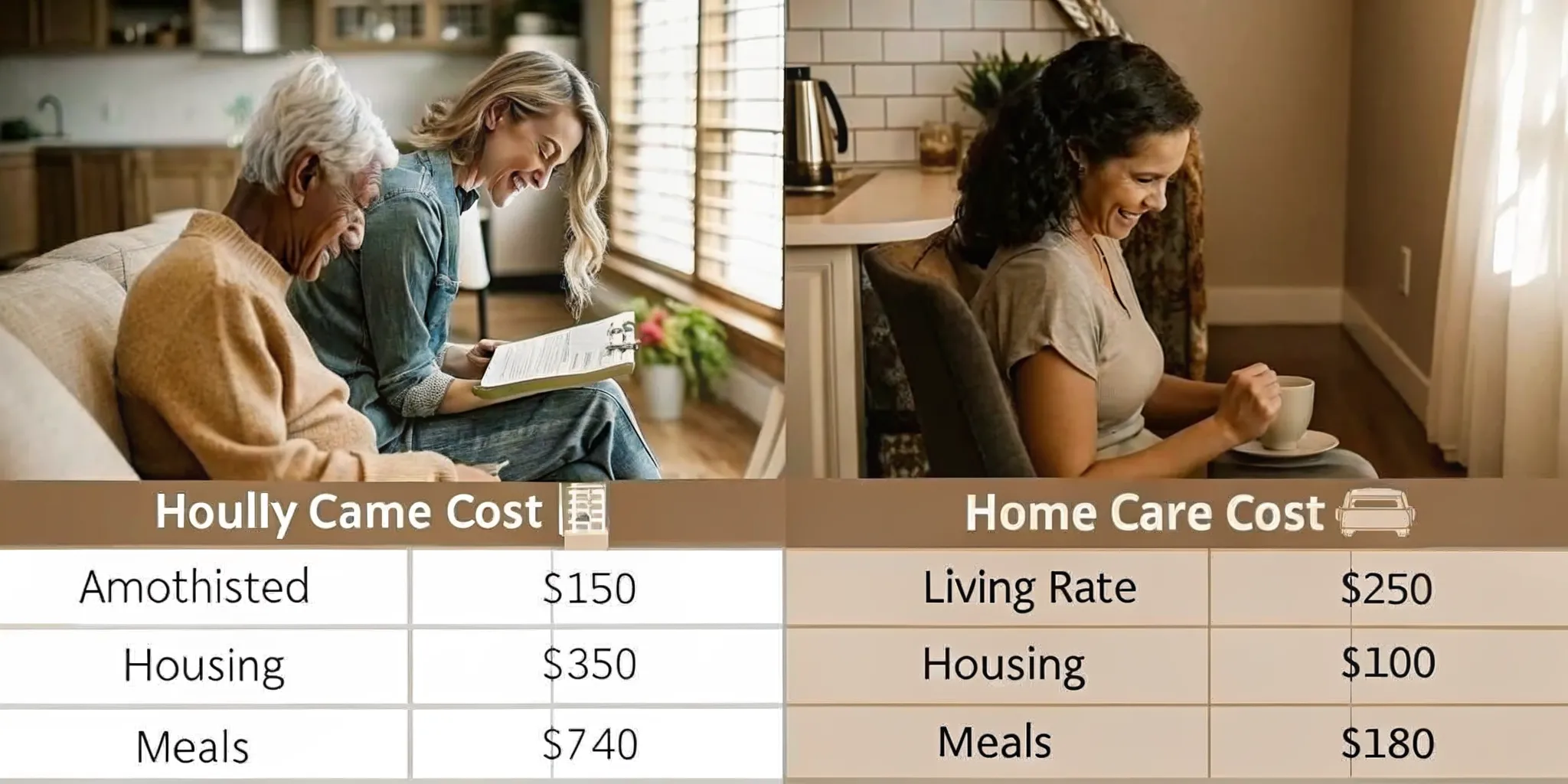
Add-on fees for home care
Home care costs often go up when your loved one needs more help. Many agencies charge higher rates for overtime or holiday visits. You may also need to rent medical tools like hospital beds or oxygen tanks. Home changes, such as adding grab bars or ramps, also add to the total price. These costs are often paid for out of personal funds, including savings or retirement income, per the National Institute on Aging.
Care levels in assisted living
Assisted living communities often use a base rate for rent and meals. But they may also charge for a "level of care" based on how much help a senior needs. This can include extra fees for managing pills, help with bathing, or even walking to meals. It is vital to ask what assisted living costs include before you sign a contract to know which services are extra. Many communities also charge a one-time community fee at move-in that often approximates a full month's recurring cost, so plan for roughly double the monthly rate up front. Our assisted living and memory care pricing guide breaks down these fees in detail.
The cost of family burnout
Many adult children provide care for free at first. But this choice has a real financial impact. Family caregivers often lose wages from missed work or leave their jobs early to help. The stress can also lead to health issues for the caregiver. Assessing if home care is sustainable long-term is a key step, as health needs will likely change over time. You can find more senior living advice from an occupational therapist to help you weigh these hard choices.
How to Compare Costs with a Checklist
Finding the right path for an aging loved one can feel like a big task. Most families in North Carolina struggle to weigh a home care vs assisted living cost. To make a good choice, you should look at more than just a single monthly bill. You need to see the full view of how your loved one lives and what they need to stay safe.
Look at daily home costs
Start by writing down every bill you pay to keep a house open. This list should have home taxes, power, water, and food costs. Do not forget the cost to fix the roof or cut the grass. When a senior moves to a new home, most of these bills go away. It is wise to list every small bill to see the true cost of staying put. This step helps you see if one flat fee works better for your long-term plan.
Find the right care level
It is also key to know how much help your loved one needs each day. Most groups start by finding the main care needs, such as help with memory loss or help with a bath. As health needs grow, the price of home care can rise fast. Costs also change based on where the senior lives and the type of help they get. For some, staying at home starts cheap but gets pricey as they need more care.
Think about the hidden fees
There are often costs that folks do not see at first. For home care, this might mean paying for a ramp or a new bed. It could also mean paying more for a car to take a loved one to the doctor. In a senior place, many of these things are built into the fee. The home care vs assisted living cost is a trade between staying in a known home or picking a steady place with help. You can search Charlotte assisted living options to see what local fees look like.
- Total your home costs. Add up taxes, food, and house work to see your current base.
- Guess your care hours. Work out how many hours of help you need each week for safety.
- Check local rates. Find out what groups in Charlotte charge for an hour of home help.
- Add extra costs. Think about home changes, car trips, and medical tools you may need.
- Look at monthly totals. Compare the full cost of home help to a flat monthly fee.
- Weigh the extra gains. Think about the social links and health checks you get at a senior home.
How to Pay for Senior Care in Charlotte
Finding the right way to fund senior care is a big step for local families. You must look at the home care vs assisted living cost and see which choice fits your wallet. Most people use several paths to pay for these services. Planning now can save you from stress later.

Private Pay and Personal Savings
There are four main ways to cover the cost of care in our area. Most seniors in Charlotte use their own money for care. This is often called paying out-of-pocket for senior living. This money usually comes from personal savings or retirement funds like a 401(k).
If a senior owns a home in Mecklenburg or Union County, they might sell it. A home sale can give a large sum of cash. This cash can cover the monthly fees of an assisted living community for many years. Some families also use bridge loans while they wait for a house to sell.
Personal funds give the most choice. When you pay with your own money, you can pick any community or agency you like. You are not bound by state rules or specific networks. But it is vital to track your spending so the money lasts as long as needed.
Veterans Benefits and Aid Programs
Veterans and their spouses have other options. The VA Aid and Attendance benefit is a monthly payment for those who need help with daily life. This can help with tasks like bathing or dressing. To get this aid, you must meet certain service and income rules.
For many in Charlotte, this benefit can help bridge the gap in paying for care. The payment goes directly to the senior; check eligibility rules and current VA rates at va.gov or with a VA-accredited claims agent. You should also look at long-term care insurance if you have a policy. These plans are bought years in advance.
They often pay a set daily amount for care. Some cover home care, while others focus on communities. It is best to read your plan before you need it. Look for terms like "elimination period" to see when payments start.
State Aid and Local Planning Help
This can help you plan your initial out-of-pocket costs. Many people think Medicare pays for all senior care. But Medicare does not pay for assisted living. It also does not pay for long-term help at home.
It only covers medical care and short stays in rehab. If assets are very low, Medicaid might help through state waivers. These programs are for people who need a high level of care but cannot afford it. North Carolina has specific rules for these waivers that change often.
You can find more local senior living resources on our resource page. For local advice, talk to the Centralina Area Agency on Aging. They serve the Charlotte area and can help you find local aid. This is a great place to start your search.
- Personal Assets: Savings and home equity are the primary sources for most families.
- VA Aid: Eligible veterans can get monthly funds for daily care needs.
- Private Insurance: LTC policies can cover a portion of the daily care rate.
- State Waivers: Medicaid may help those with limited assets and high care needs.
Frequently Asked Questions
Is home care cheaper than assisted living?
Home care is only cheaper when a senior needs little help. If a person needs help for just a few hours a day, the cost is often lower than a care center. But full-time home care in Charlotte can cost over $18,000 per month. Assisted living uses a flat monthly rate that is usually lower for those who need help all day and night.
When is home care the more affordable option?
Home care is a good choice for seniors who only need help with a few tasks each week. This may include help with meals, cleaning, or going to the store. If a family provides some care for free, paid help for 10 to 20 hours a week stays at a low cost. Bills only go up when a senior needs care during the night or on weekends.
Does assisted living cover 24/7 care?
Most assisted living communities have staff available all day and night to help keep residents safe. According to the National Institute on Aging, staff are always there to help with daily tasks. This 24/7 support is built into the monthly fee and gives families peace of mind.
What hidden costs should families expect with home care?
Hidden home care costs include higher rates for overtime and holiday visits, rental fees for medical equipment, home modifications like grab bars and ramps, and the financial impact of family caregivers missing work. These expenses can add hundreds to thousands of dollars to the monthly total.
Does Medicare pay for assisted living or home care?
Medicare does not pay for assisted living or long-term home care. It only covers short-term medical care and limited rehab stays. Most families use personal savings, VA benefits, long-term care insurance, or Medicaid waivers to cover ongoing senior care costs.
Start Your Charlotte Senior Care Comparison Today
Choosing between home care and assisted living is one of the most important financial decisions your family will make. The home care vs assisted living cost comparison comes down to care hours, included services, and hidden expenses that many families overlook. Safe Haven Advisors helps Charlotte families navigate these choices with free, local expertise.
Schedule your free discovery call now to get a personalized cost comparison and expert guidance.
For a personal comparison of home care hours and assisted living fees, schedule a discovery call.
Safe Haven Senior Advisors does not provide medical, legal, tax, or financial advice. Pricing reflects rate sheets at time of writing and is subject to change. Individual community pricing varies with assessed care needs.
Comments
Loading comments…