
Blog
Parent Not Safe Living Alone: Warning Signs and Next Steps

Finding a parent's fridge empty or spotting unpaid bills often marks the start of a serious safety crisis. These small signs suggest your loved one may no longer manage the daily demands of a home alone. You are not alone in facing this hard question, and the right help can make all the difference.
A parent not safe living alone faces higher risks from falls, missed medications, and poor nutrition while staying at home. The Centers for Disease Control and Prevention reports one in four older adults falls each year. When a senior can no longer cook, bathe, or manage medications without help, the risk of a health crisis increases. Moving to a senior living community provides round-the-clock support in a safe environment.
Parent Not Safe Living Alone: Recognizing the Signs It's Time
Knowing whether your parent can live alone safely starts with watching for patterns. One bad day is not a crisis, but a steady pattern of decline means action is needed. Watch for clues in their physical health, their home environment, and their mental state.
Physical changes to watch for
Unexplained weight loss often means your parent can no longer cook or shop for food. Poor hygiene is another key sign: if bathing or wearing clean clothes has become difficult, daily tasks may feel overwhelming. Random bruises can indicate a fall occurred that they did not mention. According to the CDC, about 37 percent of falls in older adults result in an injury requiring medical attention. Trouble walking or rising from a chair signals that living alone without assistance is no longer safe.
Changes in the home setting
The condition of the home often reveals what a parent will not say aloud. Look for spoiled food in the refrigerator, a stove left on, or piles of unpaid bills. Clutter creates trip hazards that increase fall risk. While home safety modifications can help in the short term, a persistently disorganized home usually reflects a deeper need for daily support. When a parent cannot keep up with basic chores, their home may no longer be the safest place for them.
Cognitive and mood red flags
Memory loss and mood changes are critical warning signs. You may notice your parent repeating the same stories, becoming confused about time or place, or missing medication doses. The National Institute on Aging warns that confusion and poor judgment in an older adult require prompt medical evaluation. Social withdrawal is another red flag: if your parent has stopped seeing friends or pursuing hobbies, isolation may be accelerating their cognitive and physical decline. Tracking these signs early helps you plan before a crisis forces a rushed decision.
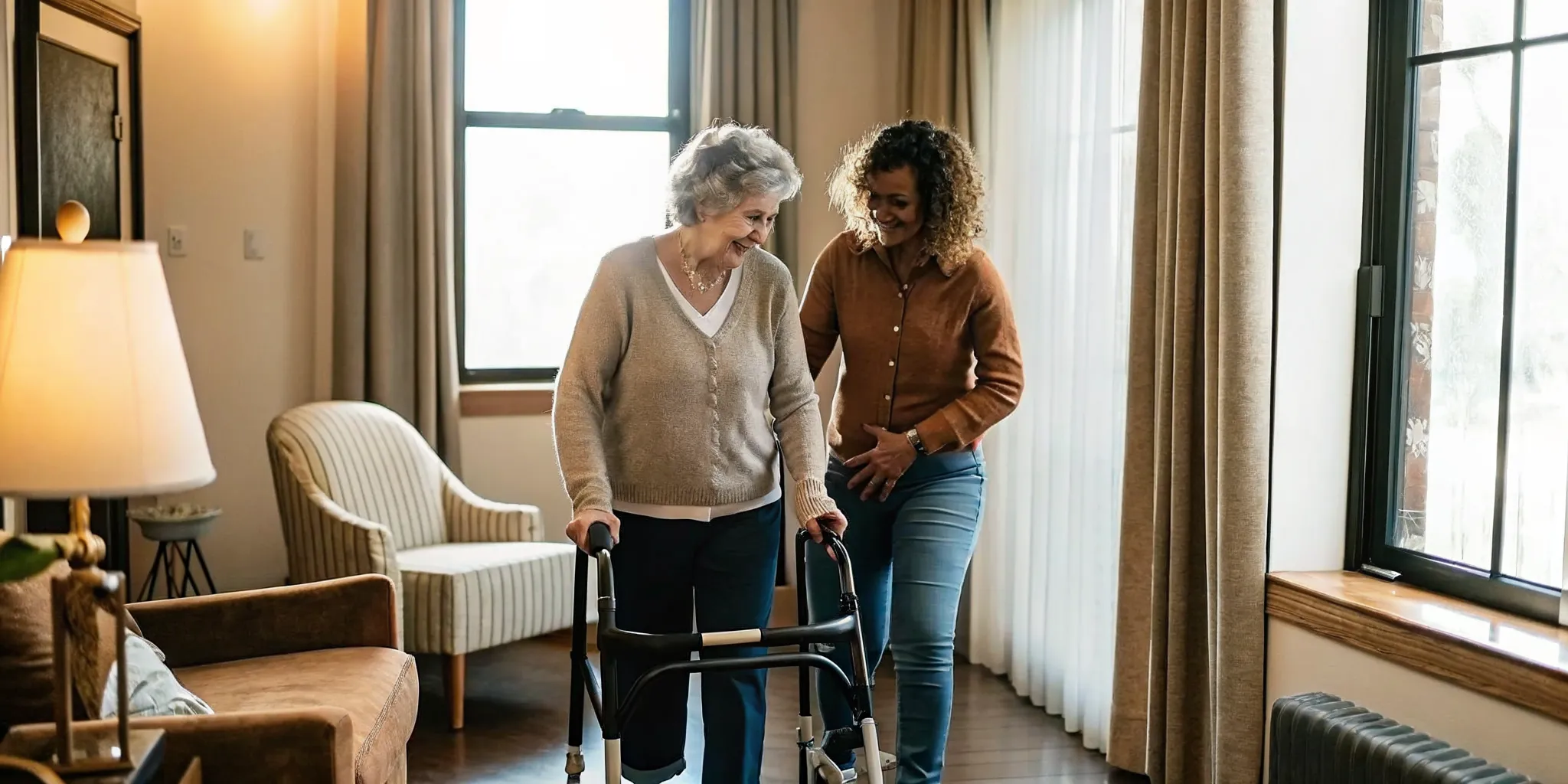
When Is a Parent Not Safe Living Alone?
The transition from independent living to needing help often begins with small worries: a missed pill, a burnt pan, a forgotten doctor appointment. But the risk escalates when these events become frequent. A parent not safe living alone faces concrete dangers every day.
The high risk of falls
Falls are the leading cause of injury among older adults. CDC data shows that one in four adults age 65 and older falls each year, and the age-adjusted fall death rate rose 41 percent between 2012 and 2021. Loose rugs, poor lighting, and steep stairs make homes hazardous. If these hazards cannot be eliminated, the risk of a life-changing injury remains high. Learn more about choosing assisted living to understand how senior communities are designed for safety.
Wandering and memory safety
For seniors with dementia, wandering is a serious concern. The Alzheimer's Association reports that six in ten people with dementia will wander at some point. A parent might leave the house and become lost in familiar surroundings, risking injury or exposure. Memory loss also makes daily tasks dangerous: forgetting to turn off the stove or missing critical medications can be life-threatening. When these gaps in judgment put a life at risk, 24-hour supervised care becomes a necessity, not a preference. Our memory care guide explains the specialized support available.
Social isolation and health decline
Living alone can lead to deep social isolation. The National Council on Aging reports that about 28 percent of adults age 65 and older live by themselves. Without regular social contact, seniors often miss early warning signs of illness or mood decline. If a parent falls or suffers a health emergency while alone, no one is there to call for help. Moving to a community with peers and staff ensures that assistance is always nearby, improving both safety and quality of life.
How to Start the Conversation About Senior Living
Talking to a parent about moving out of their home can feel overwhelming. But approaching the conversation early and with care prevents the chaos of a crisis move. The goal is partnership, not pressure.
Find the right time and place
Choose a calm, private moment for the first discussion. Avoid holidays or stressful events. Plan several short conversations rather than one long, emotional talk. Building trust takes time, and senior living advisors in Charlotte can help families navigate these early discussions with less stress.
Speak with facts and compassion
Start with love, not blame. Say "I worry when I see these bruises" rather than "You are falling too much." Use specific observations: the empty refrigerator, missed medications, the pile of unopened mail. The National Institute on Aging recommends using concrete facts to help your parent see why additional support is needed.
- Choose a comfortable setting. Talk in a quiet place where your parent feels safe.
- Lead with love. Start with how much you care about their health and happiness.
- Use specific examples. Reference real incidents: a kitchen fire, a missed doctor visit, a fall.
- Ask for their perspective. Listen more than you talk. Ask what they find difficult.
- Involve a trusted third party. A doctor, clergy member, or elder care advisor can help if your parent resists.
- Take small steps. Do not expect an immediate decision. Plan to revisit the conversation.
- Emphasize the positive. Focus on how more support can free them to enjoy life more fully.
Focus on help and hope
The goal is finding ways for your parent to thrive with less risk. Frame the move as gaining independence and community, not losing their home. If they resist initially, keep the door open. Persistent, compassionate conversations build trust over time. You can schedule a guidance call with Safe Haven to get expert support for your family.
What Senior Living Options Are Available When a Parent Isn't Safe Alone?
When a parent is not safe living alone, families have several paths to consider. The right choice depends on your parent's needs, budget, and preferences.
Starting with in-home care
Many families begin by bringing help into the home. Home care aides can assist with bathing, dressing, and meal preparation. This keeps a parent in familiar surroundings for a while longer. However, round-the-clock home care is expensive and difficult to arrange. The National Institute on Aging notes that Medicare typically covers only short-term home health care after a hospital stay. For ongoing daily assistance, families usually pay out of pocket. Our guide to home caregiving versus assisted living walks through the benefits, risks, and costs of bringing help into the home.
Assisted living and memory care communities
If home is no longer safe, an assisted living community may be the right fit. These communities provide help with daily tasks, meals, medication management, and social activities. In North Carolina, the NC Division of Health Service Regulation oversees these facilities.
An important note: the Centers for Medicare and Medicaid Services (CMS) Five Star rating system applies only to skilled nursing facilities, not assisted living. To evaluate a community near Charlotte or Union County, consult state inspection reports rather than CMS stars.
For seniors with dementia, memory care provides a secure environment with specially trained staff. These neighborhoods prevent wandering and offer structured routines. The Alzheimer's Association publishes annual Facts and Figures that provide insight into dementia care trends.
| Option | Best For | Typical Support | Monthly Cost Range |
|---|---|---|---|
| Home Care | Those needing a few hours of daily help | Bathing, meals, light housekeeping | Hourly; varies by provider |
| Assisted Living | Those needing daily help without 24-hour nursing | Meals, medications, dressing, social activities | $3,700 - $7,900 |
| Memory Care | Those with Alzheimer's or dementia | Secure setting, specialized staff, structured routines | Higher than assisted living |
How Do You Plan the Transition to Senior Living?
Planning a move takes time, but a deliberate approach reduces stress for everyone. Start exploring options before a medical crisis forces the decision.
Set a realistic timeline
Most experts recommend allowing three to six months for the transition. This window lets you tour multiple communities, arrange finances, sort through belongings, and prepare medical records. The NIA emphasizes that early planning gives families more control over the outcome and reduces last-minute choices that may not be the best fit.
What to look for during community tours
Look beyond the aesthetics. Observe how staff interact with residents. Check for grab bars, call buttons, and clear pathways. Ask about staff-to-resident ratios during each shift. Visit at different times of day, including mealtimes. Try to tour at least three communities before making a decision. If your parent can join the tours, it helps them feel like a partner in the process.
Understand the costs
In the Charlotte area, assisted living costs typically range from $3,700 to $7,900 per month depending on location and level of care. Most communities bundle rent, utilities, meals, and basic assistance into the monthly fee. Ask which services are included and which incur extra charges. Working with Charlotte senior living advisors can help you find a community that fits your budget while meeting your parent's needs.
How Safe Haven Senior Advisors Helps Families Like Yours
Safe Haven Senior Advisors guides Charlotte-area families when a parent is not safe living alone. With more than 23 years of experience, our team brings clinical knowledge and deep local expertise to every case. Our service is free to qualified families because senior living communities pay our referral fee, not you.
Our process starts with a free discovery call to understand your parent's health needs, preferences, and budget. We then curate a personalized list of communities in Mecklenburg, Union County, and York County. We accompany you on tours, help you ask the right questions, and negotiate move-in terms. The National Institute on Aging confirms that assessing a senior's safety is the essential first step toward getting them the right care.
If you are concerned that a parent is not safe living alone, you do not have to figure this out by yourself. Schedule a free Discovery Call with our team. We will listen, answer your questions, and help you map out a clear path forward.
Frequently Asked Questions
When is it unsafe for an elderly parent to live alone?
According to the CDC, one in four older adults falls each year, making falls the leading cause of injury. Other danger signs include frequent falls, poor hygiene, unexplained weight loss, confusion about time or place, leaving the stove on, and missed medications. If your parent cannot manage daily tasks safely, it is likely time to explore care options.
What is the 40-70 rule for aging parents?
The 40-70 rule encourages adult children to discuss future care by the time the children turn 40 or the parents turn 70. Starting early helps families make thoughtful choices before a crisis forces a decision. It is recommended to use specific observations to show why planning matters, creating a partnership rather than a confrontation.
How can I help a parent who refuses to stop living alone?
Start with calm, brief conversations rather than a single ultimatum. Share specific safety concerns using 'I' statements: 'I worry when I see...' Involve a trusted third party such as a doctor, clergy member, or elder care advisor. The National Institute on Aging suggests focusing on how additional support can improve quality of life rather than framing the discussion as a loss of independence.
What senior living options are available in Charlotte, NC?
Charlotte families can choose from assisted living, memory care, and in-home care services. Assisted living provides help with daily tasks and meals. Memory care offers a secure environment for those with dementia. The North Carolina Division of Health Service Regulation oversees these facilities to ensure safety and quality. Choosing a local community near family helps your parent stay connected while receiving the support they need.
Does Medicare pay for assisted living in North Carolina?
Medicare does not typically cover long-term assisted living costs. It generally pays only for short-term home health care or skilled nursing after a hospital stay. According to the National Institute on Aging, families usually pay for assisted living using private funds, long-term care insurance, or veterans benefits. Some North Carolina state programs may offer assistance for eligible seniors.
Ready To Find the Right Senior Living Option for Your Parent?
If you recognize that your parent may not be safe living alone, you don't have to navigate this decision alone. Safe Haven Senior Advisors has helped Charlotte-area families make this transition for more than 23 years. Our service is free to qualified families. We take the time to understand your parent's needs, your budget, and your concerns, then recommend communities that are a genuine fit.
Comments
Loading comments…