
Blog
Memory Care Shared Room: What Families Should Know
Persistent anxiety over a parent's safety at home often triggers the search for memory care. As you explore local options, you will find that choosing the right living space is both a clinical and a financial decision. One major choice you will face is whether a semi-private setup fits your loved one's needs.
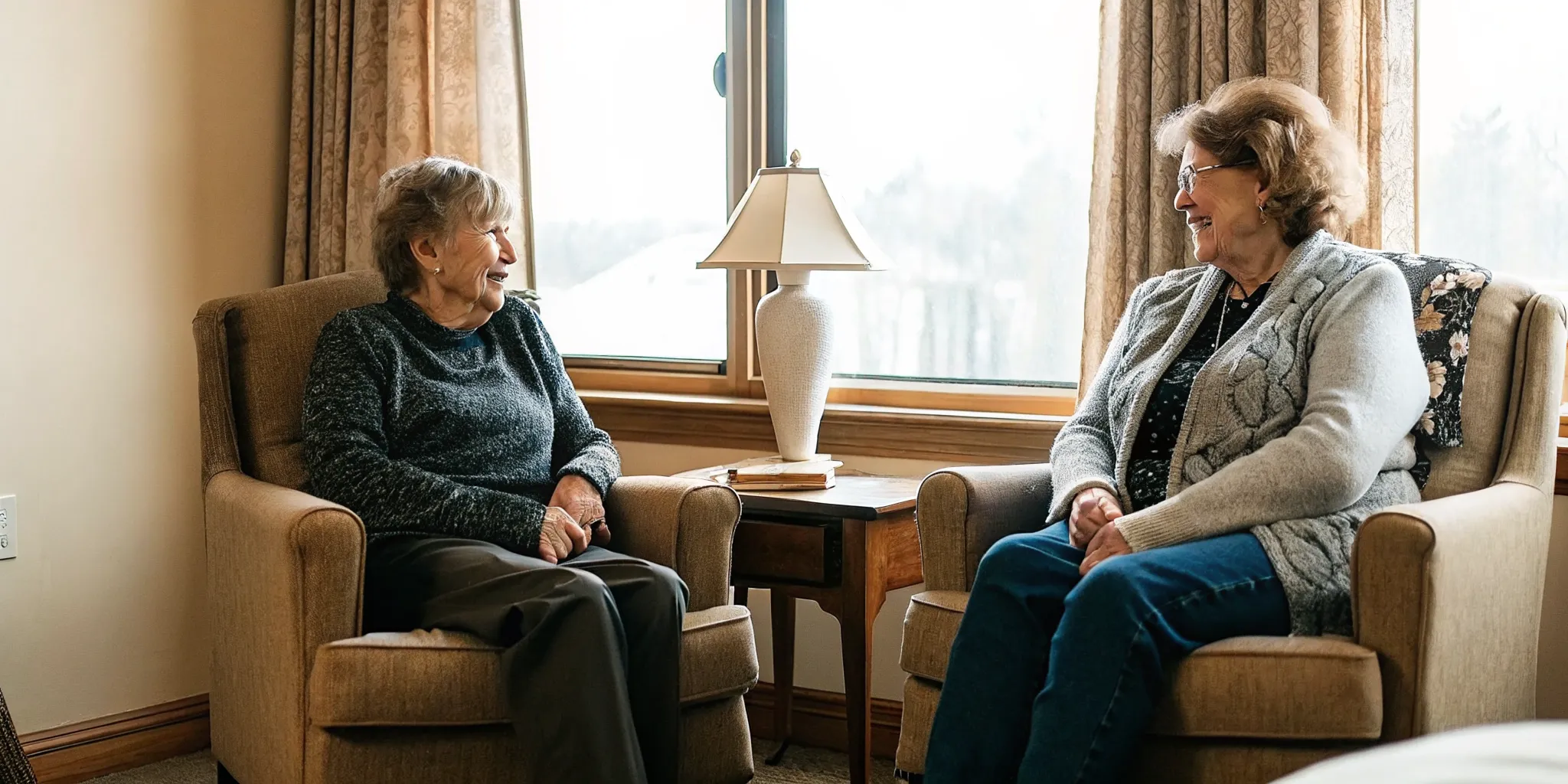
A memory care shared room is a semi-private living space where two residents live together under specialized supervision. This room setup is designed to help reduce senior isolation, prevent confusion through constant human presence, and lower monthly care costs. Positive social interaction in these shared spaces serves as a key factor for a resident's overall quality of life in long-term care facilities. While shared rooms are highly effective for many seniors, families must weigh roommate compatibility and safety risks like wandering before making a decision.
Not sure if a shared room is right for your loved one? Schedule a free discovery call with Safe Haven Advisors today. Our Charlotte-area senior placement advisors help families weigh cost, safety, and social fit to find the best memory care community for your budget and your parent's needs.
As you begin to compare layouts for your parent, you may wonder what these setups look like in practice. Our guide on What Are Shared Rooms in Memory Care? breaks down the layout of semi-private spaces to help you find the best environment for your loved one. Here is how these spaces work.
What Are Shared Rooms in Memory Care?
A memory care shared room is a semi-private living space where two residents with dementia live together under specialized supervision in a secure environment. In Charlotte-area memory care communities, these rooms offer each resident their own sleeping zone while sharing a bathroom and common area. This setup helps families balance care costs with the social benefits of round-the-clock companionship for a loved one with cognitive decline.
When you look for senior living options in the Charlotte area, you will find that many memory care communities offer both private and shared spaces. A memory care shared room, which is also called a semi-private room, is a living space where two residents live together. Each resident has their own sleeping zone, but they share other parts of the room. This layout helps families find a balance between care costs and social support for a loved one with dementia.
The Typical Layout and Physical Setup
In a standard shared room, each resident has a twin bed, a nightstand, and a dresser. The room usually has a privacy curtain that can be drawn between the two living areas. This setup gives each senior a sense of personal space while still sharing the room. Residents generally share a closet or wardrobe, as well as a bathroom. The bathroom is designed with safety features like grab bars and flat floors to prevent falls. Some high-end facilities in Mecklenburg County also provide private half-baths for each resident inside a shared suite.
How Memory Care Rooms Differ from Assisted Living
Memory care rooms are built with special safety features that standard assisted living units do not have. The rooms open into a secure neighborhood model. This layout means the bedroom doors lead right into common living and dining areas. Residents do not have to navigate long, confusing hallways, which helps reduce stress and wandering. Security is also much higher. Doors have automatic alarms, and windows have safety locks to keep residents safe. The staff-to-resident ratio is higher too, ensuring that caregivers can watch over residents and help them with daily tasks.
Who Benefits Most from a Shared Room?
Shared rooms are not just about saving money. For many seniors, a roommate provides a constant human presence that can help reduce confusion and ease the fear of being alone. This setup is highly helpful for seniors who are socially active or those who tend to isolate themselves. Having a roommate can encourage social engagement and improve mood. But choosing a room type is a personal decision that requires careful thought. In memory care, personal choice and autonomy remain key factors when deciding between private and shared spaces, as noted by the Administration for Community Living, which supports state-level ombudsman programs that help families navigate room assignments and resident rights in long-term care. To learn more about selecting the right layout in our region, you can read our guide on NC vs SC memory care options.
What Are the Benefits of a Shared Room in Memory Care?
A memory care shared room offers three key benefits: built-in social interaction that reduces isolation, a constant human presence that helps orient residents with dementia, and cost savings of 25% to 40% over private rooms. These advantages make shared rooms a practical choice for many Charlotte-area families navigating memory care expenses.
When you look for senior living, you must weigh many factors. For families exploring memory care communities, the physical setup of the room plays a major role. Choosing a memory care shared room can offer key benefits that go beyond simple space savings. A shared living setup can improve quality of life and give families peace of mind.
More Social Interaction and Less Isolation
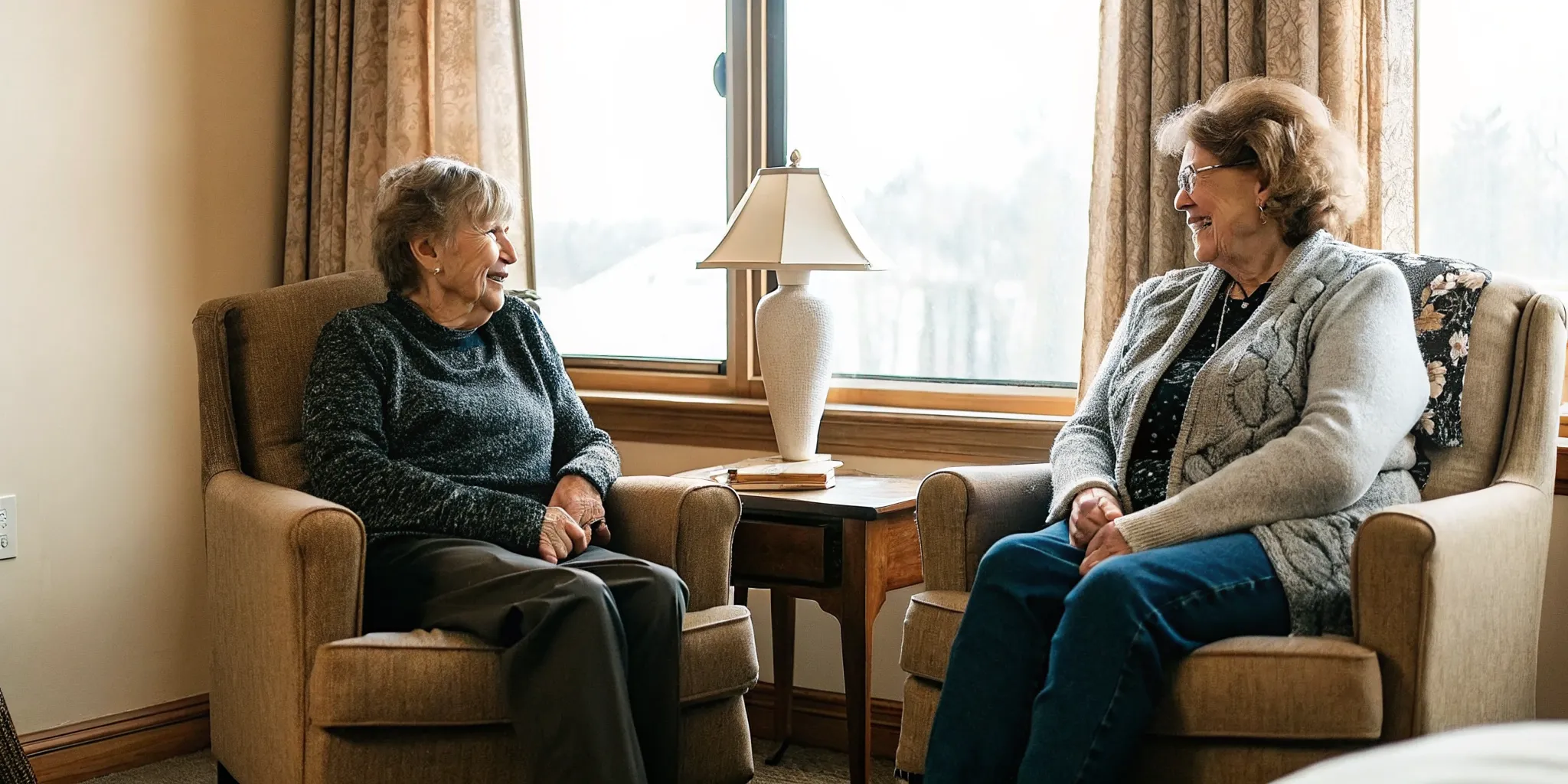
Dementia often causes seniors to pull back from social life. Having a roommate can help reduce feelings of isolation and improve mood. A roommate provides a steady social connection in a natural way. This daily bond helps residents stay connected to the world around them.
Studies show that spatial design and social contact are vital for quality of life in care facilities. Research published in PubMed shows that layout and social networks are key factors for resident well-being. A shared room makes social contact a simple part of the day. This simple setup can keep seniors active and engaged without extra effort.
Reduced Confusion from Constant Presence
Dementia can make environments feel strange or scary. A shared environment can help reduce confusion for some residents. Having another person in the room provides a constant human presence. This presence helps residents feel secure during quiet times of the day.
A companion can also help a resident stay oriented to time and place. Watching a roommate do daily tasks can guide a senior in their own routine. Small-scale shared housing environments have been shown to improve outcomes for people with neurocognitive disorders. In fact, research on PubMed Central highlights how small, shared living spaces support daily function and reduce stress for seniors with dementia.
Big Savings on Care Costs
Memory care is a major financial decision for most families. In the Charlotte area, all-in memory care runs from $4,575 to $17,899 per month, depending on room type and care level. Choosing a shared room can ease this financial pressure. A shared space typically costs 25% to 40% less than a private room in the same community.
These big savings can make high-quality care more accessible. Over time, the lower monthly rate helps families stretch their care budget. This budget shift allows families to focus resources on other needed services, such as physical therapy or personal care support.
| Feature | Shared Room | Private Room |
|---|---|---|
| Monthly cost (Charlotte area) | Typically 25% to 40% less than a private room | Varies widely; tops out at $17,899 at the luxury end |
| Social interaction | Built-in roommate provides daily contact | Must seek social engagement in common areas |
| Privacy | Shared bedroom and often shared bathroom | Private bedroom and private bathroom |
| Best suited for | Socially inclined residents, budget-conscious families | Residents who need quiet, have advanced behavioral issues |
| Roommate transfer option | Available if compatibility issues arise | Not applicable |
What Challenges Come With Memory Care Shared Rooms?
Shared rooms in memory care pose five main challenges: loss of privacy, disrupted sleep from roommate sundowning, wandering-related safety risks, personality conflicts, and emotional guilt for families. Understanding these challenges before choosing a community helps Charlotte-area families prepare and ask the right questions during tours.
Choosing a memory care shared room can be a helpful and budget-friendly choice for many families. However, sharing a living space with another resident who has cognitive decline comes with real challenges. Understanding these hurdles ahead of time can help you prepare your family and find a community that manages them well.
Loss of Privacy and Personal Space
The most obvious issue in a memory care shared room is the loss of personal space. Your loved one will share a bedroom and often a bathroom with another person. They cannot retreat to a quiet, private area whenever they wish, which can be hard for seniors who value their solitude. This loss of privacy can make some residents feel crowded or stressed, leading to agitation.
Disrupted Sleep Cycles
Dementia often alters sleep-wake cycles, leading to behaviors like sundowning, where confusion increases in the late afternoon or evening. A roommate who wakes up at night, talks, or paces can easily wake your loved one. Frequent sleep disruption can worsen memory loss and behavioral symptoms for both residents. If you are exploring regional options, you can read more about memory care guidance for Charlotte families to see how communities in both states design their floor plans to reduce noise.
Wandering and Safety Concerns
Dementia can make it hard for a person to navigate and understand their environment. According to research in PubMed Central, cognitive decline increases safety risks like falls, and wandering into a roommate's personal space can lead to accidents. If one resident wanders or tries to exit the room at night, it can create a physical hazard or trigger alarm systems, causing stress for the other resident.
Personality Conflicts and Behavior Shifts
Even with careful planning, roommates may have mismatched habits or personalities. For example, one resident may be a light sleeper while the other is active at night. If one person experiences behavioral escalation or aggression due to their condition, the other roommate is in close proximity. Thankfully, most reputable communities have policies for transfers. Staff will actively assess resident compatibility using clinical guidelines to ensure both people remain safe and comfortable. If a match does not work, the facility can arrange a room transfer.
The Emotional Impact on Families
Families often feel a sense of guilt when choosing a shared room. It is natural to want a private suite for your parent, and seeing them share a bedroom can feel like a step backward. However, these challenges are highly manageable with the right community staff and layout. Knowing what to ask during your tours can help you evaluate how a facility handles roommate matching, nighttime disruptions, and space management.
How Much Does a Shared Room in Memory Care Cost?
Cost is a major factor when families search for senior living options in the Charlotte area. For context, all-in memory care across the Mecklenburg County communities we track runs from $4,575 to $17,899 per month, depending on community, room type, and care level. Selecting a memory care shared room can make a big difference, as these shared spaces typically cost 25% to 40% less than a private room in the same community.
Comparing Shared and Private Room Rates
The savings from a shared room can open doors for families who might otherwise find memory care out of reach. If a private room costs $8,000, a shared suite might cost around $5,200 to $6,000. Saving $2,000 or more each month helps protect a family's long-term budget. This financial cushion can also pay for extra personal care, specialized therapy, or medical needs. When you search for local care, compare NC vs SC memory care options to see how rates vary by state.
Using Insurance and Veterans Benefits
Families rarely pay for memory care entirely out of pocket. Long-term care insurance is a common funding source, but you must have an active policy before receiving a dementia diagnosis. Veterans and their surviving spouses may qualify for the VA Aid and Attendance benefit, which offers monthly cash payments to help cover care costs. You can learn more about these programs through the federal Eldercare Locator, which connects families to local aging resources. Knowing these options is a key part of learning how to choose a community that fits your budget.
State Programs and Financial Trade-offs
Depending on facility licensing, some state assistance programs or Medicaid Home and Community-Based Services (HCBS) waivers may help offset costs. These state-regulated funds often have strict income limits and long waitlists, but they can provide vital aid. By choosing a shared space, families can redirect their monthly savings toward physical therapy, medication management, or personal care add-ons. This balance ensures your loved one receives high-quality care while keeping the overall cost manageable.
What to Look for When Choosing a Memory Care Room
Touring communities is a vital step when you evaluate room styles for your loved one. As a family guide, we want to help you spot the details that matter most for daily life and safety. Using a clear checklist will help you compare how each home manages a memory care shared room.
Key Details on the Tour
Dementia affects how a person interacts with their environment. The physical layout, staff support, and social mix all shape daily comfort and health. Spatial design and social setups are key drivers of quality of life in long-term care homes.
Use these six steps during your visits to find the best match for your parent or spouse:
- Ask about the roommate matching process. Find out how the community tests for compatibility before two residents share space. A good home evaluates sleep habits, daily schedules, and personal tastes. They should also look at cognitive levels to make sure the match is safe and comfortable.
- Inquire about trial periods and transfer policies. Ask if your parent can try a shared layout first. If a memory care shared room does not work out, you need to know the rules for a change. Find out how long a trial lasts and how they handle moves to private rooms if one opens up.
- Observe the communal areas. Watch how residents spend their time in shared rooms and lounges. Do you see positive connections and calm activity? Friendly staff and structured layouts help reduce stress. It is also wise to check our memory care FAQs to learn what social designs work best.
- Check sleep and noise policies. Ask how the night team handles late-night waking or sundowning. If one roommate gets restless at night, the staff must have a clear plan to soothe them. This plan should protect the sleep and peace of both residents in the room.
- Ask about emergency protocols for wandering. Wandering is common in dementia and needs close attention. The Centers for Disease Control and Prevention tracks safety risks for older adults to prevent accidents. Ask the staff how they secure doors, use sensors, and monitor residents who pace or wander.
- Request a meal observation. Eating is a key social event that shows how well a community functions. Watch a meal to see if the dining room is calm and if staff help residents eat. If you need help comparing local options, you can connect with our senior living advisors in Charlotte for personal guidance.
Can Families Switch From a Shared Room to a Private Room Later?
Many families worry that choosing a memory care shared room means they are locked into that choice forever. They fear their loved one will never have the option of a private space if their needs or budget change. However, most memory care communities offer great flexibility. A shared room is often just a starting point, and you can request a move to a private room later when one becomes available.
How the Room Switch Process Works
Most senior living communities maintain an internal waitlist for residents who want to change their living arrangements. When you first move in, you can ask the staff to place your family member on this list. Existing residents usually get first priority when a private room opens up before the community offers it to outside applicants. You should ask about waitlist policies, priority status, and any potential transfer fees during your initial community tours.
Common Triggers for Switching Rooms
There are several reasons why a family might decide to transition from a memory care shared room to a private space. These triggers usually fall into three main categories:
- Medical and behavioral changes: Dementia is progressive, and a resident's care needs will evolve over time. If a roommate starts to show high levels of nighttime agitation, wandering, or vocal sundowning, it can disrupt your loved one's sleep and well-being. A private room may become necessary to ensure safety and rest.
- Compatibility issues: Despite careful roommate matching, some personalities simply do not mesh. Different sleep schedules, activity levels, or personal habits can cause daily stress for both residents.
- Financial changes or waitlist availability: A family might choose a shared room initially to manage costs or because no private rooms were open. Once a private room becomes available and budget permits, they make the switch.
What to Ask Communities Before Move-In
To avoid surprises, you should clarify room transfer policies before signing an admission agreement. Ask if the community offers a trial period, such as 30 to 60 days, to see how the roommate pairing works. You should also find out how they handle roommate conflicts and what criteria they use to decide if a move is medically necessary. For more details on navigating these transition policies, you can read our memory care FAQs to guide your search.
Planning for long-term care requires balancing budget and comfort, but you do not have to make these hard choices alone. The National Institute on Aging offers helpful resources on clinical care guidelines and planning for older adults. By understanding these transfer policies early, you can feel confident that a shared room keeps your options open for the future.
Frequently Asked Questions
Can dementia patients share a room?
Yes. Many people with dementia live in shared spaces. A shared room can offer comfort and help lower the risk of feeling alone. Positive social interaction in long-term care facilities is a key factor for a resident's overall quality of life. Shared rooms provide daily contact that can reduce stress and help seniors stay engaged with others.
Can couples share a room in memory care?
Yes. Most memory care communities allow couples to live together in the same room. Sharing a room helps couples stay close and support each other through the changes of dementia. To make this work, both partners must meet the facility's safety and care guidelines. It is best to ask local communities about their specific rules for couples before making a final decision.
How do memory care facilities assign roommates?
Communities use detailed assessments to pair roommates safely. Staff members look at sleep habits, daily routines, care needs, and personal interests. These checks help communities maintain a safe and comfortable environment for all residents. Most communities also offer trial periods to make sure the pairing works well for both residents over time.
Is a private room better than a shared room for dementia patients?
It depends on your loved one's specific needs. A private room offers quiet space and privacy, which is helpful for seniors who get easily overwhelmed. However, a memory care shared room can be a great option for those who crave company. A roommate can help reduce isolation and improve mood. A shared room also costs less than a private suite.
Ready To Find the Right Memory Care Fit for Your Family?
Deciding between a shared or private room in memory care is just one of many choices families face when supporting a loved one with dementia. At Safe Haven Advisors, we help Charlotte-area families navigate every step of this journey with personalized, pressure-free guidance.
Summer Patel, MS, OTR/L, brings an occupational therapist's perspective that goes beyond what most placement services offer. We accompany you on community tours, ask the questions you might not think to ask about roommate matching, pricing, and care protocols, and help you find the right memory care fit for your family and your budget. Our services are always free to families.
Contact us online or schedule your free discovery call today to learn how Safe Haven can guide you through memory care decisions with compassion and expertise.
Comments
Loading comments…