
Memory Care
Memory Care Monroe NC: A Family Guide
Compare memory care Monroe NC options with a practical guide to dementia-focused support, safety, routines, tours, and questions for Union County families.
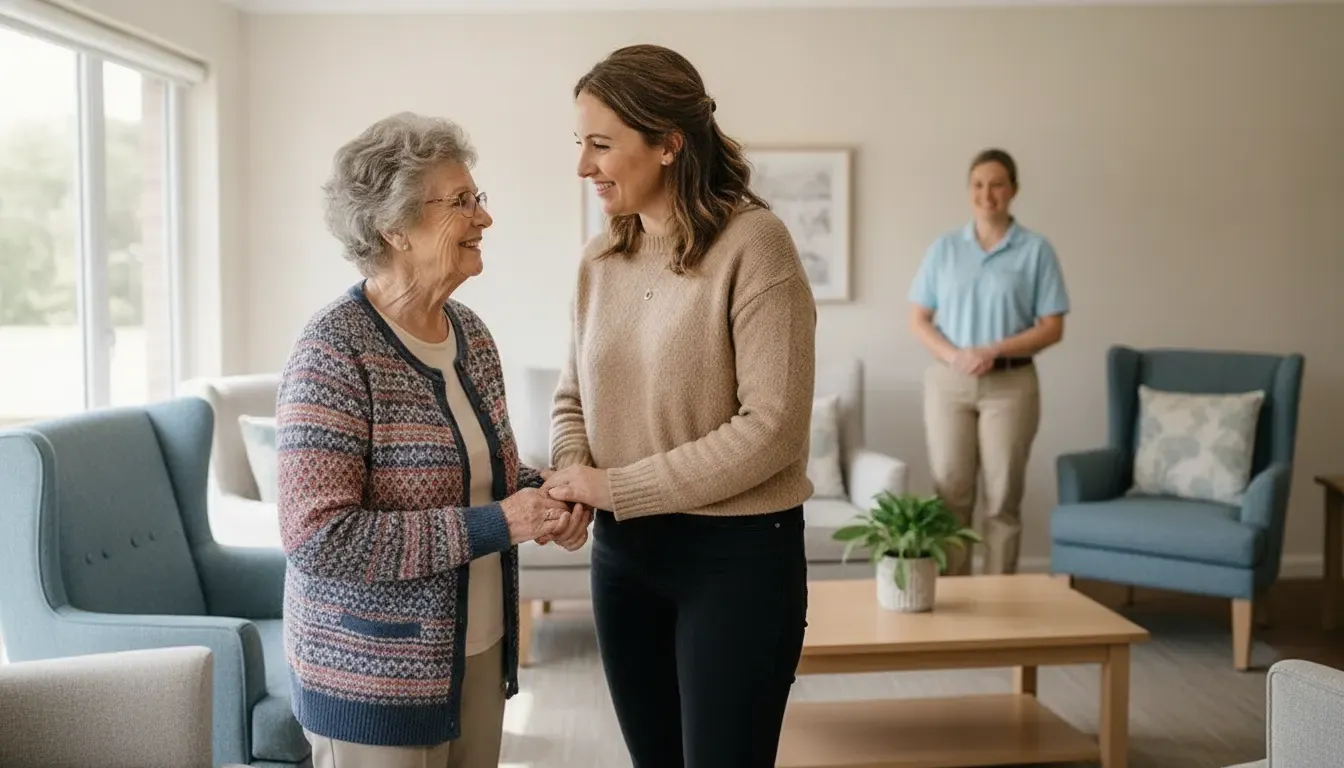
Searching for memory care Monroe NC families can feel like a race against the next difficult day. The right community is not simply the one with an attractive building or an open room. It should be able to support your loved one's cognitive, personal, and safety needs while preserving familiar routines, dignity, and connection with family. This guide explains what to compare in Monroe and across Union County, how to prepare for tours, and which questions can reveal whether a community is a practical fit.
by Safe Haven Senior Advisors
What Should Families Know About Memory Care Monroe NC?
Memory care is a residential care setting designed around the needs of people living with Alzheimer's disease or another form of dementia. The details vary by community, so the phrase alone does not tell you how a residence handles daily routines, changing behaviors, medication support, personal care, or family communication.
For a Monroe family, the first step is to describe the current situation in concrete terms. Note what your loved one can do independently, where assistance is needed, what causes distress, and what makes the person feel comfortable. Include sleep patterns, meals, mobility, communication, personal interests, and any safety concerns. A clear profile gives each community the same information and makes comparisons more useful.
Safe Haven's memory care guidance provides additional context on specialized support, secure design, and individualized care planning. Families also can review the senior living selection guide for broader questions about safety, timing, and community fit.
The National Institute on Aging recommends learning about care settings, arranging visits, and observing how a community operates before making a decision. Its guide to finding long-term care for a person with Alzheimer's can help families organize that early research. It is educational information, not an individual care recommendation. Discuss medical questions with the appropriate licensed clinician.
How Can You Compare Memory Care Monroe NC Communities?
Look past the tour script and compare the experience your loved one would have from morning through bedtime. A useful comparison has five parts: care capability, safety, daily life, staff consistency, and practical fit.
- Care capability: Ask what assistance is available with bathing, dressing, eating, toileting, mobility, and medication routines. Confirm how the community responds when needs change and who completes the assessment.
- Dementia-focused support: Ask how staff learn each resident's history, preferences, communication style, and calming strategies. Find out how the team responds to confusion, agitation, exit-seeking, or a resident who needs extra reassurance.
- Safety design: Observe entrances, exits, outdoor areas, hallways, lighting, flooring, bathrooms, and emergency procedures. Ask how the community balances secure access with a sense of freedom and normal daily movement.
- Daily life: Review the activity calendar, dining routine, quiet spaces, outdoor access, and opportunities for residents to participate at different ability levels. A meaningful program should offer more than passive entertainment.
- Practical fit: Consider drive time from Monroe, visiting patterns for relatives, room layout, laundry and housekeeping arrangements, transportation, move-in timing, and the complete written fee structure.
North Carolina's Division of Health Service Regulation oversees adult care home licensure. Its overview of adult care home regulation explains the state oversight framework, while the facility licensure information page provides related licensing and special care unit resources. These pages do not replace a tour or a review of a specific community's current disclosures, but they show why state licensure should be one part of your due diligence.
What Dementia-Focused Support Should You See During a Tour?
A memory care program should be visible in ordinary moments, not just in a brochure. Watch how staff approach residents, explain transitions, offer choices, and respond when someone needs more time. Look for language that is respectful and person-centered rather than focused only on control or compliance.
Ask whether care plans include personal history and preferred routines. A former gardener may engage more readily with plants, while someone who enjoyed music may respond to familiar songs. The goal is not to promise that an activity will improve cognition. It is to understand whether the community notices the individual and builds daily opportunities around that person's identity.
Also ask how the team handles changes. A community should be able to explain what happens if a resident needs more help with personal care, becomes less mobile, has new medication needs, or no longer fits the setting. Ask who communicates with family, how often updates are provided, and how concerns are documented and escalated.
Which Safety Features Matter in a Monroe Memory Care Setting?
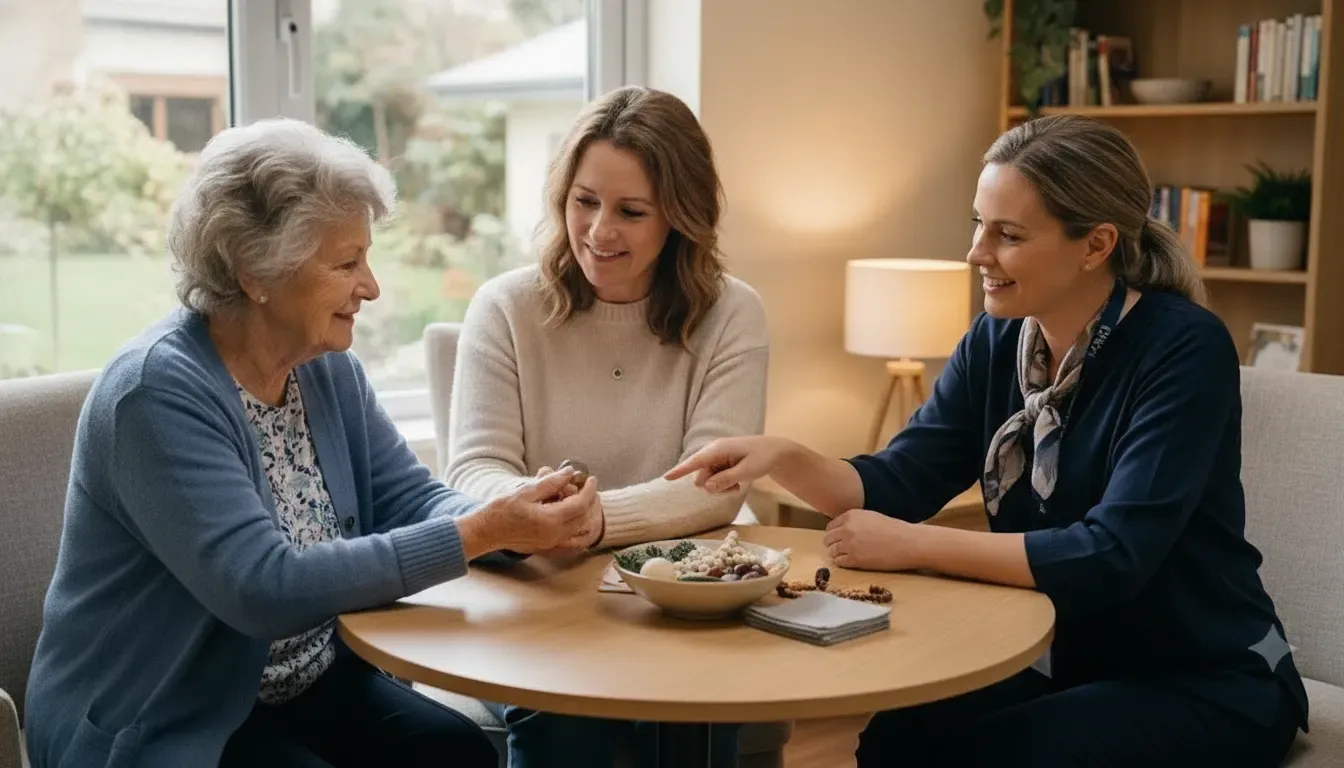
Safety is more than a locked door. During a visit, notice whether the layout is easy to understand, whether signs and visual cues are useful without feeling institutional, and whether residents can move through common spaces without unnecessary obstacles. Ask about outdoor areas, supervision, emergency response, and how the team manages a resident who tries to leave an unsafe area.
Ask for specific examples rather than accepting broad assurances:
- How are entrances and exits monitored throughout the day and night?
- How are falls, wandering concerns, or other incidents documented and communicated?
- What staffing coverage is available on nights, weekends, and holidays?
- How are bathrooms, bedrooms, and common areas checked for hazards?
- What happens when a resident's needs exceed the community's license or capabilities?
Do not treat a safety feature as automatically good or bad. The question is whether it supports your loved one's needs while allowing appropriate independence. Ask to see the actual spaces where the daily routine occurs, not just the model room or reception area.
How Do Daily Routines Affect Memory Care Fit?
Consistency can make a new setting easier to understand, but consistency should not mean every resident follows an identical schedule. Ask when residents wake, eat, bathe, rest, participate in activities, and prepare for bed. Find out how the team accommodates a person who wakes early, prefers quiet mornings, or becomes more unsettled later in the day.
Dining deserves close attention. Ask how meals are served, how dietary needs are documented, and what assistance is available if a resident eats slowly or needs reminders. Observe whether the dining room feels calm and whether residents appear supported without being rushed.
Ask to see a typical week's activity schedule and discuss how residents are invited to participate. The Alzheimer's Association's long-term care guidance recommends looking for dementia-specific services and understanding how care varies among residential settings. Use that framework to ask what the community actually provides, how it is staffed, and how participation is adapted over time.
What Should Union County Families Ask Before Choosing a Community?
Prepare a one-page question list, but leave room to ask follow-ups based on what you observe. These questions can help you compare Monroe-area options consistently:
- What type of dementia-related needs does this setting routinely support?
- How do you assess a new resident before move-in, and who participates?
- What does the base monthly fee include, and which services can add charges?
- How are care changes communicated to family, and how quickly?
- How do you train new staff and keep care approaches consistent?
- What is the process for medication management and coordination with outside clinicians?
- How do you respond to distress, refusal of care, sleep changes, or exit-seeking?
- Can family members join activities, meals, care-plan meetings, or routine updates?
- What are the next steps, documents, deposits, and expected timing if we decide to move forward?
Ask for written answers to anything that affects care, timing, or cost. If a response is vague, ask who can provide the policy or explain the process. Your notes should capture both the answer and how the staff made you feel while answering it.
How Should You Plan Memory Care Tours in Monroe?
Start with a short list of communities that appear to match the care profile, location needs, and budget. Calling ahead lets the community prepare for a useful conversation rather than offering a generic walk-through. Share enough information to confirm that the setting can evaluate your loved one's needs.
When possible, visit more than once or ask whether a second visit at a different time is appropriate. A morning tour may show breakfast and activities, while a later visit may reveal how the community handles transitions, quieter periods, or evening routines. Use the existing memory care tour planning guide for a broader preparation checklist, then add the questions that are specific to your family.
After each visit, record three separate judgments: whether the community can provide the needed care, whether your loved one seems likely to feel comfortable there, and whether the arrangement works for the family. Keeping those judgments separate prevents a beautiful common room or a convenient drive from hiding a serious care mismatch.
Work with a senior-living navigator to build a focused shortlist of Monroe-area communities to tour
Memory Care Monroe NC: Frequently Asked Questions
What is the first step when searching for memory care in Monroe?
Write down your loved one's current care needs, routines, safety concerns, preferences, and likely changes over the next several months. Use that profile when contacting communities so each option can be evaluated against the same information.
How many memory care communities should a family tour?
There is no universal number. A focused shortlist is usually more useful than visiting every possible setting. Tour enough communities to compare care capability, atmosphere, safety, routines, staff answers, and practical fit without rushing the decision.
What should families observe during a memory care tour?
Observe staff-resident interactions, the pace of transitions, resident engagement, cleanliness, noise, lighting, outdoor access, dining, and whether the layout feels easy to navigate. Ask to see ordinary spaces where residents spend time, not only the model room.
How can families compare memory care fees?
Request a current written fee schedule and ask which services are included, which are added later, how care levels are assessed, and how charges change if needs increase. Compare the complete monthly picture rather than a headline rate.
What should a family do if a community cannot answer a care question?
Ask who can provide the answer and when you should expect it. Record the response, request relevant policies in writing, and do not treat an unanswered question as a minor detail if it affects safety, medication, staffing, or the community's ability to meet changing needs.
Can a local advisor help families compare Monroe options?
Yes. A local senior living advisor can help organize the care profile, narrow the search, coordinate tours, and compare written information. The family should still visit communities, ask direct questions, and make the final decision based on the loved one's needs and preferences.
Comments
Loading comments…