
Blog
Dementia Care Charlotte NC: Planning Support Guide
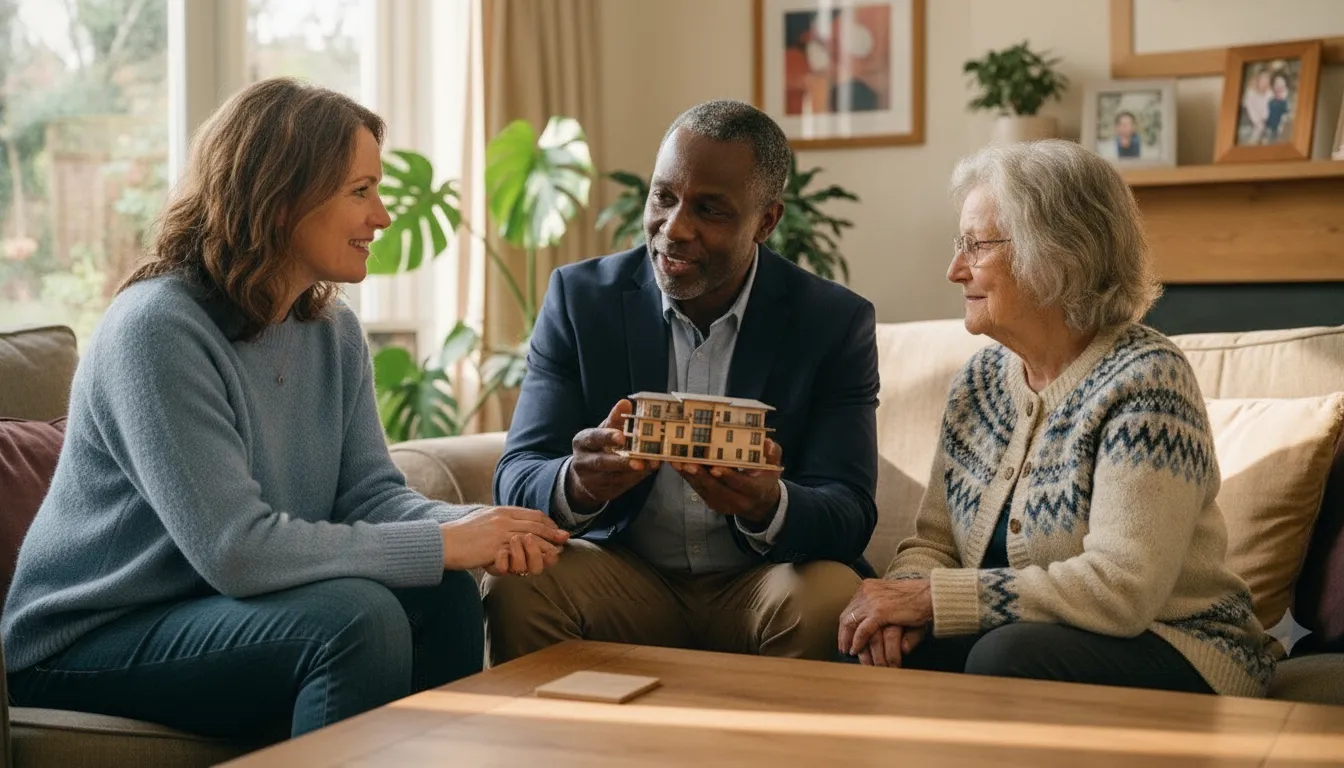
Planning dementia care is easier when families begin before a crisis forces every decision at once. For families researching dementia care charlotte nc, the goal is to understand changing needs, compare support options, and create a practical plan for the Charlotte area.
The best starting point is a calm needs-and-priorities conversation, followed by a comparison of support options that can meet current needs and adapt over time. Early planning can help families communicate future wishes and identify who should participate in decisions, according to the National Institute on Aging.
You do not need to solve every question in one conversation. Document what has changed, clarify what your loved one wants, and use those priorities to begin a focused Charlotte-area search.
by Safe Haven Senior Advisors
Get free help organizing dementia care questions before you compare Charlotte-area options
How to Start Planning Dementia Care in Charlotte, NC
Starting early gives your family room to make thoughtful decisions instead of trying to solve every question during a crisis. Begin with a conversation about what matters most to your loved one, what support feels acceptable, and which changes would make the current arrangement harder to manage.
Ask about preferred neighborhoods, daily routines, transportation, social connection, and the kind of help your loved one would welcome. If family members live in different parts of the Charlotte area, clarify how location affects visits and who can help with appointments, errands, or check-ins. The goal is to create shared priorities for later research, not to choose a community immediately.
What information should families gather?
Create one secure, accessible record of current medications, healthcare contacts, insurance information, daily assistance needs, emergency contacts, and questions for qualified healthcare professionals. Add observations about routines and safety concerns without interpreting them as a diagnosis. A dated record can help your family describe changes accurately during healthcare appointments and compare care options later.
Advance care planning also involves discussing future medical care if a person becomes seriously ill or cannot communicate wishes. The NIA explains that advance directives provide medical-care instructions for that situation, while a durable power of attorney for health care names a proxy to make medical decisions when the person cannot. These documents involve legal and medical considerations, so use qualified professionals for advice specific to your circumstances.
Who should coordinate the care plan?
Write down who will coordinate appointments, communicate with providers, manage practical research, and keep relatives informed. Include your loved one in decisions as much as possible, and revisit the plan as needs or preferences change. Clear roles reduce duplicated effort when it is time to assess support, visit communities, or consider a move.
How Do You Assess Changing Dementia Care Needs?
A useful assessment starts with what is happening day to day, not with trying to label or diagnose the change. Keep a simple record of new concerns, when they occur, and what support helps. Note changes in personal care, meals, medication routines, communication, sleep, mobility, and familiar tasks. Patterns over time make family conversations more concrete and less dependent on one stressful incident.
Safety and function deserve equal attention. Consider whether your family member has had falls or near-falls, become unsteady, left home unsafely, struggled with appliances, or had difficulty responding to an emergency. Also observe whether memory or judgment changes affect cooking, driving, finances, personal hygiene, or daily routines. These observations do not determine a diagnosis, but they can show where more supervision or a safer environment may be needed.
What questions should families discuss?
- Which activities can the person still complete independently, and which require reminders or hands-on help?
- How often is someone available to provide supervision, and are there periods when the person is alone?
- What situations create the greatest safety concern, such as falls, wandering, missed meals, or unsafe medication use?
- Would a care setting need specialized dementia capabilities, secure monitored areas, or an individualized care plan?
These questions can help families describe current needs while comparing Charlotte memory care communities or other support options. Account for location, the family's ability to visit, and whether support can adapt as needs change. Safe Haven's planning guidance identifies function, fall risk, safety, cognitive status, and readiness for memory care as relevant considerations. Its perspective is not a substitute for a physician.
Involve a qualified healthcare professional when you notice a significant or sudden change, have concerns about falls or safety, or need help evaluating cognition and medical needs. Healthcare professionals should handle diagnosis and medical decisions. Families can then use that information, alongside daily observations, to plan support that is appropriate now and flexible enough for what may come next.
What Dementia Care Options Should Charlotte Families Compare?
There is no single best setting for every family. The more useful question is which option fits the person's current needs, the home environment, and the support your family can consistently provide. Compare options across care requirements, preferred location, budget boundaries, and the ability to adapt as needs change.
| Option | Supervision and environment | Family logistics |
|---|---|---|
| Support at home | Care takes place in a familiar home, with supervision and daily assistance arranged around the person's needs and the home's safety. | Families must coordinate schedules, backup coverage, home changes, and communication among helpers. |
| Assisted living | Provides a residential setting with help for daily routines, social opportunities, and community-based oversight. | Ask how the care plan changes if needs increase and whether the setting can continue meeting those needs. |
| Memory care | Offers specialized dementia capabilities and may include secure, monitored environments built around supervision and predictable routines. | Evaluate individualized care plans, communication practices, and whether visits fit the family's schedule. |
When comparing Charlotte memory care communities, ask what happens when abilities, routines, or safety needs change. Review how the community evaluates needs, personalizes care, supports activities, and communicates with family members. For assisted living, clarify whether a later transition might be likely. For support at home, identify who will notice changes and how quickly the plan can be adjusted.
Family logistics matter as much as the care model. Consider travel time, who can attend meetings, and who will coordinate updates. A choice that looks suitable on paper may be difficult to sustain if visits, transportation, or communication responsibilities are unclear. Use the same questions for each option, then compare the answers against your family's realistic capacity.
What Should Families Look For on a Dementia Care Tour?
A tour should show how a community supports a person through ordinary routines, changing needs, and moments requiring closer supervision. Look beyond the model room and brochure. Notice how staff speak with residents, whether the setting feels calm, and how clearly the team explains its approach. Evaluation should include security, supervision, personalized care plans, staffing, social engagement, and the family's ability to visit regularly. Memory care community design can also shape how safely and comfortably a resident moves through the day.
- Ask how security and supervision work. Find out how entrances, exits, outdoor areas, and nighttime movement are monitored. Ask what happens if a resident wanders, becomes distressed, or needs help outside scheduled activities.
- Review the individualized care plan. Ask how the team assesses routines, preferences, abilities, and support needs. Find out what information is gathered before move-in, how often the plan is reviewed, and how family members are included when needs change.
- Ask specific staffing questions. Learn who provides hands-on support, who leads the care team, and how coverage changes during evenings, weekends, and overnight hours. Ask about dementia-care training, turnover, and unexpected absences.
- Observe daily life and social engagement. Watch whether residents have meaningful choices and activities suited to different abilities. Ask what happens for residents who do not enjoy group activities or whose interests change.
- Clarify communication and transitions. Ask how the community reports changes in behavior, falls, appetite, sleep, or mobility. Discuss who your family contacts and how the community handles a hospital return or higher level of care.
Bring a short list of priorities and leave room for follow-up questions. After each tour, write down what you observed while details are fresh. Comparing communities against the same questions makes the decision more organized and less reactive.
How Can Families Plan Dementia Care Costs and Location?
Cost planning works best when families look beyond an advertised monthly rate. Ask each community what the base arrangement includes, which services are additional, and how charges could change if support needs increase. Communities may use an all-inclusive model or base rent plus level-of-care charges, so similar starting descriptions can produce different monthly totals. Review the pricing structure in writing and ask for a sample statement that reflects expected care needs.
Bring a practical budget to the conversation, but do not treat it as a single fixed number. Include housing, care, medication management if applicable, transportation, personal spending, and family travel. Ask what happens if needs change, whether reassessments are scheduled, and whether a move to another level of care affects the monthly structure. Community pricing is set at the community's discretion and may change daily.
Location is part of the care plan, not just a convenience. Families in Charlotte may compare communities in Mecklenburg County with options in Union County or York County, South Carolina. Consider who can visit regularly, how long an urgent trip would take, and whether the preferred community can support future changes without another disruptive move. This guide to NC vs. SC memory care can help organize state-line questions.
Before touring, write down the maximum monthly amount your family can sustain, the services that must be included, and the location limits that matter most. Ask every community the same questions so the comparison reflects total fit, not an incomplete headline price.
How Can Families Prepare for the Next Conversation?
The next conversation does not need to settle every care decision. It should create a shared starting point. Choose a calm time and include the people who will be involved. Ask what matters most to your loved one: staying near home, maintaining routines, receiving help with daily tasks, or feeling secure. Meaningful conversations with loved ones are an important part of advance care planning, according to the National Institute on Aging.
Bring specific observations rather than conclusions. Discuss changes in meals, medications, transportation, personal care, household safety, or the amount of supervision family members provide. Write down questions and areas where relatives disagree. A shared list keeps the conversation focused on support and next steps rather than blame.
How should families clarify wishes and roles?
Ask your loved one how they would want medical care handled if they became seriously ill or could no longer communicate wishes. An advance directive provides instructions for medical care in that situation, and a health-care proxy identifies someone who can make medical decisions. These terms have specific legal meaning, so discuss them with qualified healthcare and legal professionals when documents need to be created or updated.
Do not assume that the most available family member knows what your loved one would choose. One study cited by the NIA found that people guessed nearly one in three end-of-life decisions for a loved one incorrectly. Hear preferences directly, record them clearly, and identify who should be contacted when decisions arise.
Frequently Asked Questions
When should a person with dementia stop living alone?
There is no single milestone. Review whether the person can manage medications, meals, hygiene, mobility, and emergencies safely, and note changes such as falls, wandering, missed appointments, or unsafe cooking. Bring those observations to a qualified healthcare professional, then compare which support setting can reliably meet the need.
What should we bring to a dementia care community tour?
Bring a current list of medications, health and mobility concerns, daily routines, personal preferences, and questions about supervision, security, staffing, care-plan updates, activities, and future transitions. Include the family members who will help make decisions so everyone evaluates the same information.
How can families compare dementia care options in the Charlotte area?
Start with care requirements, preferred location, budget structure, and how support may need to change. Compare support at home, assisted living, and memory care by supervision, environment, activities, communication, and family travel time. Charlotte-area families may compare communities in Mecklenburg, Union, and York Counties.
Should we make care plans before a crisis?
Yes. Early planning gives families time to discuss preferences, identify decision-makers, organize records, and communicate wishes. The National Institute on Aging describes advance care planning as discussing future care if someone becomes seriously ill or cannot communicate wishes. Healthcare professionals can explain medical decisions, while qualified legal and financial professionals can address documents and assets.
Ready to Plan Your Next Dementia Care Step?
A focused comparison can help your family turn changing needs into a manageable shortlist and make community tours more productive. Bring your questions, priorities, and concerns to a conversation before deciding which options deserve a closer look.
Get free help comparing dementia care communities in the Charlotte area and planning focused tours
Comments
Loading comments…