
How to Prevent Falls: What Works Best
Avoiding a fall, and the inevitable hospitalization and rehabilitation, is the most significant contribution to mobility and independence you can make
1) Start a Strength + Balance Program (the Best ROI)
This is the foundation. Programs that challenge balance and strengthen the legs reduce fall risk—especially when done consistently (often 2–3x/week).
Examples: PT-guided home exercises, structured senior center classes, Tai Chi, or evidence-based programs like Otago.
2) Make High-Yield Home Changes
You don't need to remodel your house to get meaningful results. Focus on:
Lighting
Bright, consistent lighting; motion-activated night lights for hallways/bathroom paths.
Floors
Remove throw rugs or secure them; clear cords and clutter.
Stairs
Secure handrails (ideally both sides), good lighting at top/bottom.
Bathroom
Grab bars, non-slip surfaces, stable shower seating when needed.
3) Review Medications (and Timing)
Ask a pharmacist or prescribing provider to review for dizziness, sedation, and interactions—especially if there's been a recent change in meds.
4) Vision Check + Footwear Upgrade
Update glasses/eye care and aim for supportive, non-slip shoes (avoid slick soles and unstable slippers).
The Most Appropriate Interventions to Minimize Fall Risk
If you want the most practical, effective plan, think in layers:
- PT or OT evaluation to identify the specific balance breakdowns (strength, gait, vestibular, vision, footwear, transfers) and create a tailored plan.
- Structured strength + balance work 2–3 times per week.
- Home safety upgrades (lighting, bathroom supports, stairs, clutter control).
- Medication review if there's dizziness, fatigue, confusion, or new instability.
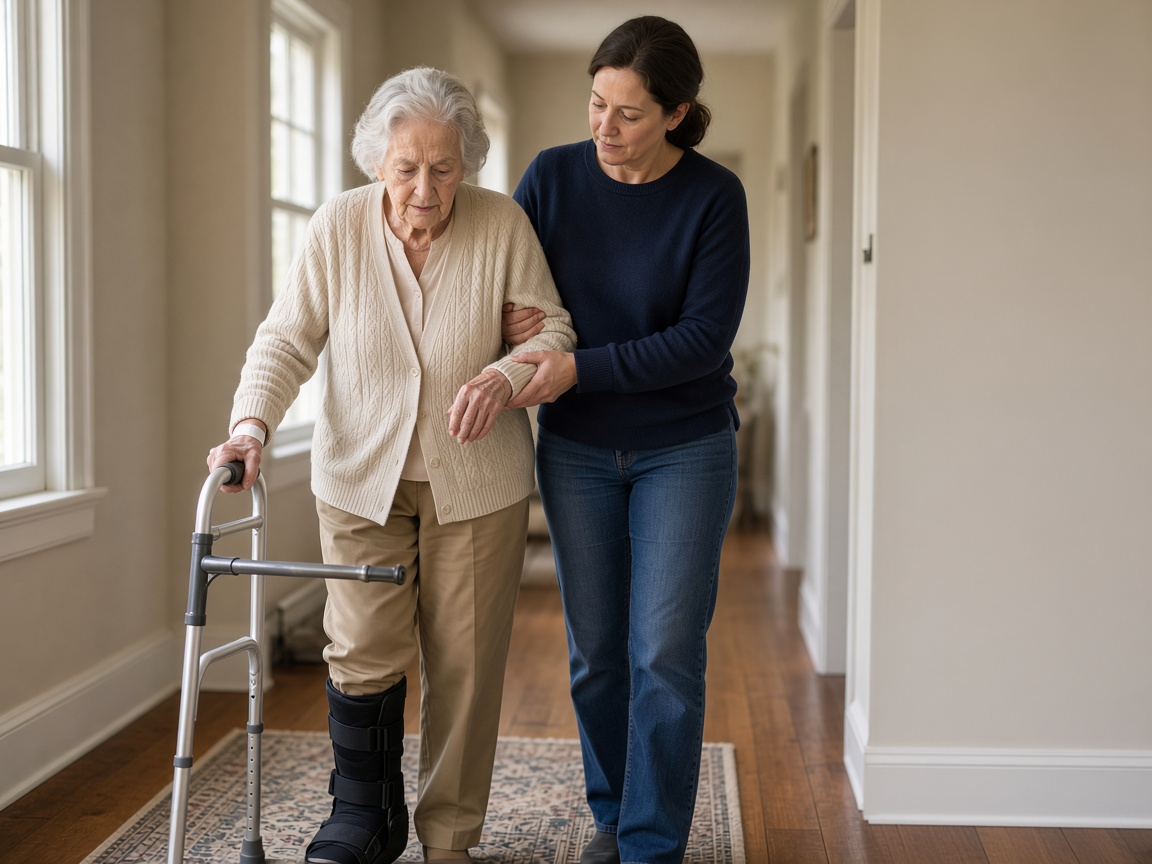
- Right-size support (a cane/walker fitted correctly, or part-time help at home) to keep someone mobile and confident—not restricted.
Falls prevention is about preserving independence by reducing unnecessary risks in daily life—so moving through the day feels steady, safe, and sustainable.